CVEForge Research & Labs

CVEForge autonomously analyzes CVEs, writes working proof-of-concept exploits, and builds fully reproducible lab environments. Each entry below is a CVE we've researched — complete with exploit code, Docker images for the vulnerable and patched versions, and AI analysis of the attack.

Multi-arch (amd64 + arm64) · Working PoC code · Vulnerable + patched Docker images · GitHub

61 PoCs
92 Docker images
47 Critical
11 High
3 Medium
Sort:
CRITICAL CVE-2026-30860 WeKnora <0.2.12 - RCE via SQL Injection
9.92026-03-07
CVE-2026-30860 lab
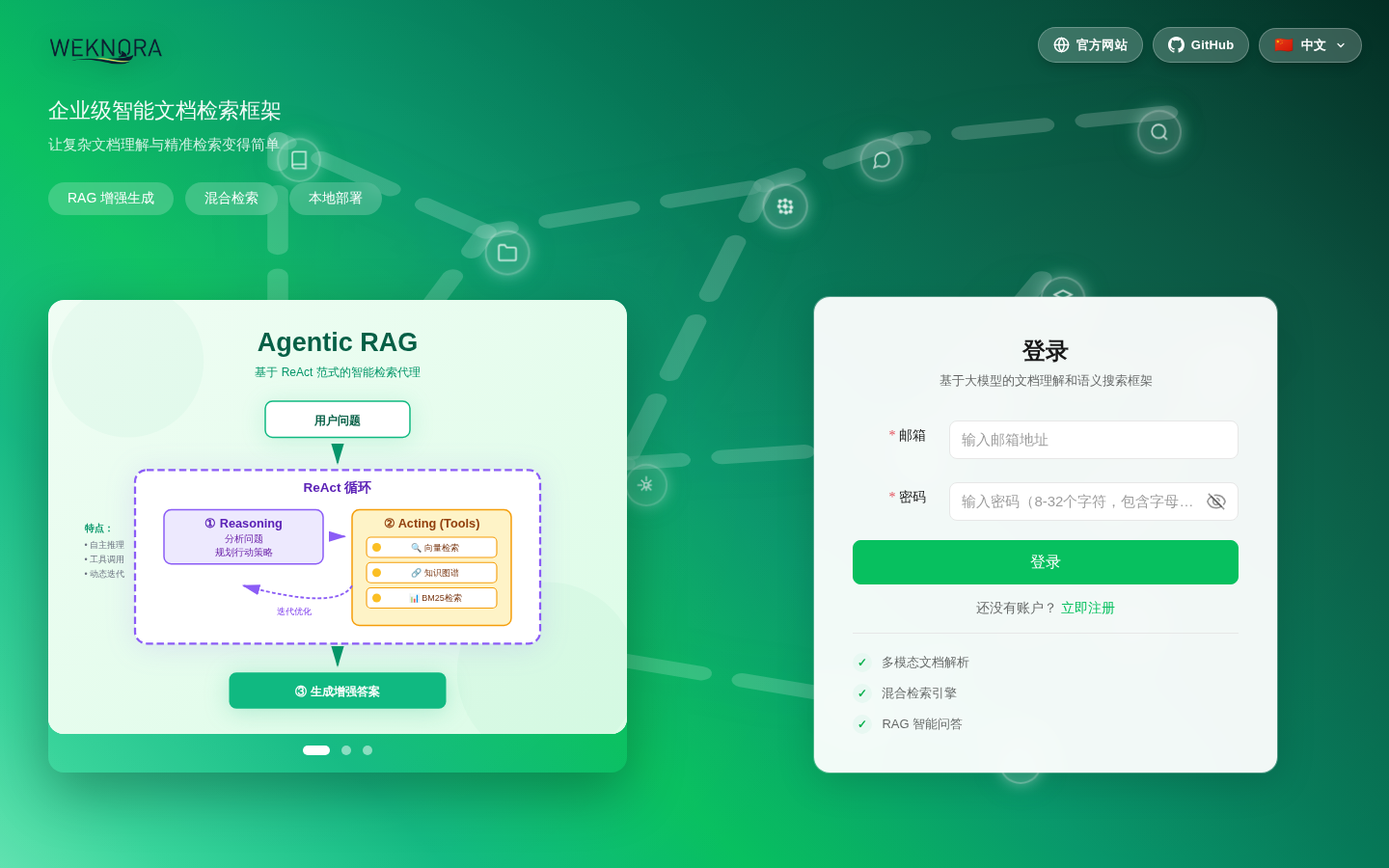
WeKnora is an LLM-powered framework designed for deep document understanding and semantic retrieval. Prior to version 0.2.12, a remote code execution (RCE) vulnerability exists in the application's database query functionality. The validation system fails to recursively inspect child nodes within PostgreSQL array expressions and row expressions, allowing attackers to bypass SQL injection protections. By smuggling dangerous PostgreSQL functions inside these expressions and chaining them with large object operations and library loading capabilities, an unauthenticated attacker can achieve arbitrary code execution on the database server with database user privileges. This issue has been patched in version 0.2.12.
vulnerable localhost:18080 14 layers 358 MB
git clone https://github.com/exploitintel/eip-pocs-and-cves cd eip-pocs-and-cves/CVE-2026-30860 docker compose up
amd64 / arm64 2026-03-07
CRITICAL CVE-2026-30861 WeKnora 0.2.5-0.2.10 - RCE
9.92026-03-07
CVE-2026-30861 lab
WeKnora is an LLM-powered framework designed for deep document understanding and semantic retrieval. From version 0.2.5 to before version 0.2.10, an unauthenticated remote code execution (RCE) vulnerability exists in the MCP stdio configuration validation. The application allows unrestricted user registration, meaning any attacker can create an account and exploit the command injection flaw. Despite implementing a whitelist for allowed commands (npx, uvx) and blacklists for dangerous arguments and environment variables, the validation can be bypassed using the -p flag with npx node. This allows any attacker to execute arbitrary commands with the application's privileges, leading to complete system compromise. This issue has been patched in version 0.2.10.
vulnerable localhost:18081 14 layers 358 MB
git clone https://github.com/exploitintel/eip-pocs-and-cves cd eip-pocs-and-cves/CVE-2026-30861 docker compose up
amd64 / arm64 2026-03-07
CRITICAL CVE-2026-28391 OpenClaw <2026.2.2 - Command Injection
RCE MODERATE
9.80.0%2026-03-05
CVE-2026-28391 lab
RCE MODERATE RELIABLE C WORKING POC
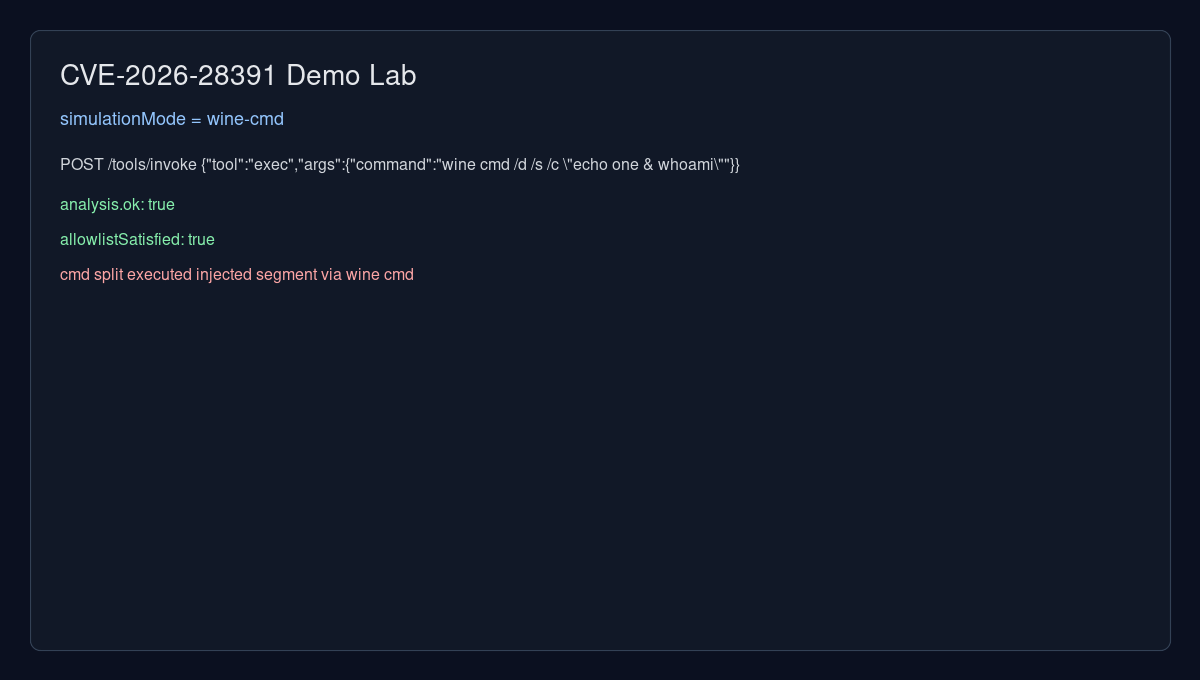
OpenClaw versions prior to 2026.2.2 fail to properly validate Windows cmd.exe metacharacters in allowlist-gated exec requests (non-default configuration), allowing attackers to bypass command approval restrictions. Remote attackers can craft command strings with shell metacharacters like & or %...% to execute unapproved commands beyond the allowlisted operations.
vulnerable localhost:8391 15 layers 1.3 GB
git clone https://github.com/exploitintel/eip-pocs-and-cves cd eip-pocs-and-cves/CVE-2026-28391 docker compose up
amd64 / arm64 2026-03-05
MEDIUM CVE-2025-59060 Apache Ranger <=2.7.0 - Auth Bypass
AUTH BYPASS MODERATE
5.30.1%2026-03-03
CVE-2025-59060 lab
AUTH BYPASS MODERATE RELIABLE Python WORKING POC
Hostname verification bypass issue in Apache Ranger NiFiRegistryClient/NiFiClient is reported in Apache Ranger versions <= 2.7.0. Users are recommended to upgrade to version 2.8.0, which fixes this issue.
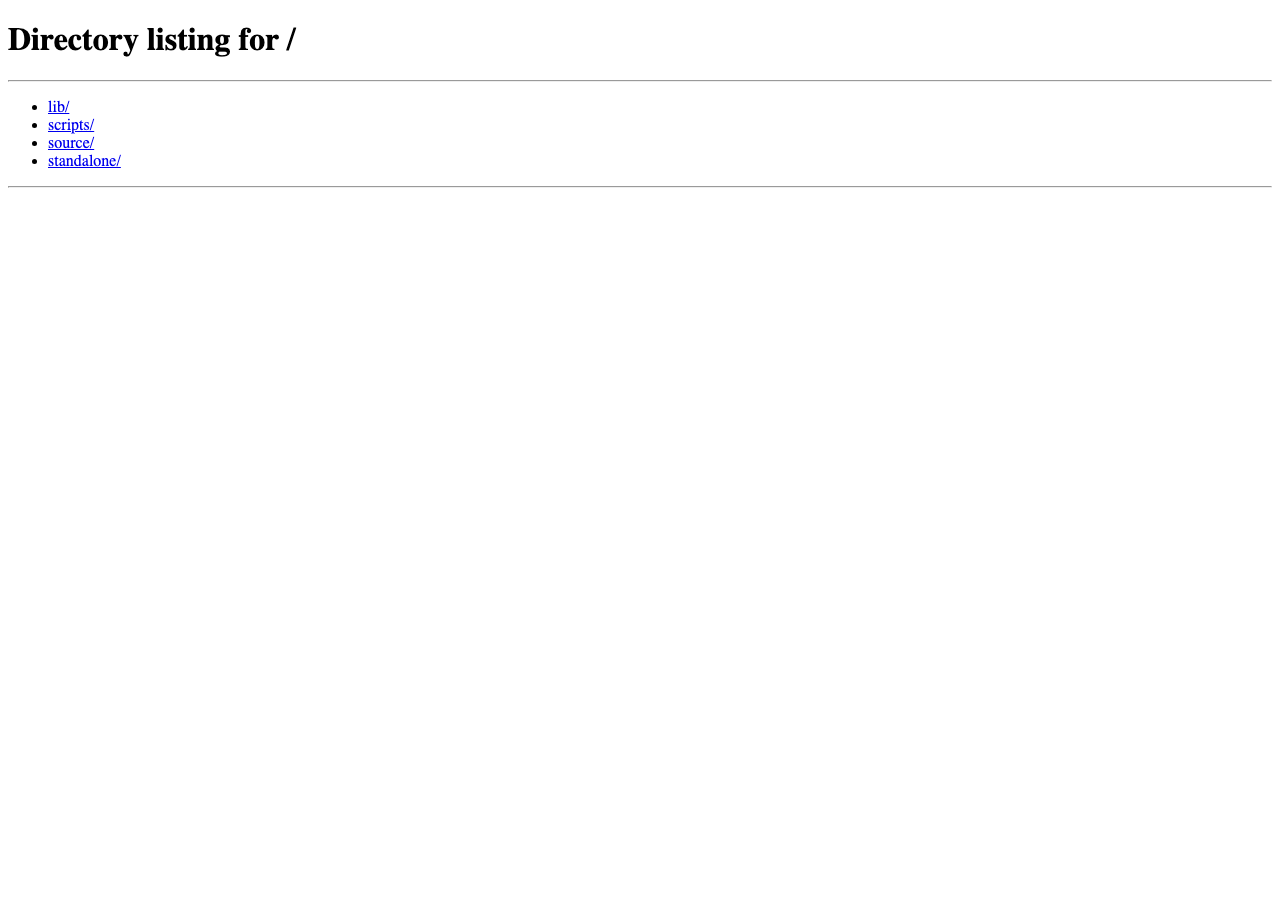
vulnerable localhost:20880 24 layers 362 MB
git clone https://github.com/exploitintel/eip-pocs-and-cves cd eip-pocs-and-cves/CVE-2025-59060 docker compose up
amd64 / arm64 2026-03-03
CRITICAL CVE-2026-2749 Centreon Open Tickets <25.10.3 - Path Traversal
RCE MODERATE
9.90.0%2026-02-27
CVE-2026-2749 lab
RCE MODERATE RELIABLE Python WORKING POC
Vulnerability in Centreon Centreon Open Tickets on Central Server on Linux (Centroen Open Ticket modules).This issue affects Centreon Open Tickets on Central Server: from all before 25.10.3, 24.10.8, 24.04.7.

vulnerable localhost:8080 26 layers 168 MB
git clone https://github.com/exploitintel/eip-pocs-and-cves cd eip-pocs-and-cves/CVE-2026-2749 docker compose up
amd64 / arm64 2026-02-27
CRITICAL CVE-2026-28268 Vikunja <2.1.0 - Auth Bypass
AUTH BYPASS TRIVIAL
9.80.0%2026-02-27
CVE-2026-28268 lab
AUTH BYPASS TRIVIAL RELIABLE Python WORKING POC
Vikunja is an open-source self-hosted task management platform. Versions prior to 2.1.0 have a business logic vulnerability exists in the password reset mechanism of vikunja/api that allows password reset tokens to be reused indefinitely. Due to a failure to invalidate tokens upon use and a critical logic bug in the token cleanup cron job, reset tokens remain valid forever. This allows an attacker who intercepts a single reset token (via logs, browser history, or phishing) to perform a complete, persistent account takeover at any point in the future, bypassing standard authentication controls. Version 2.1.0 contains a patch for the issue.
vulnerable localhost:3456 6 layers 68 MB
git clone https://github.com/exploitintel/eip-pocs-and-cves cd eip-pocs-and-cves/CVE-2026-28268 docker compose up
amd64 / arm64 2026-02-27
CRITICAL CVE-2026-28370 OpenStack Vitrage <12.0.1,13.0.0,14.0.0,15.0.0 - Code Injection
RCE MODERATE
9.10.1%2026-02-27
CVE-2026-28370 lab
RCE MODERATE RELIABLE Python WORKING POC
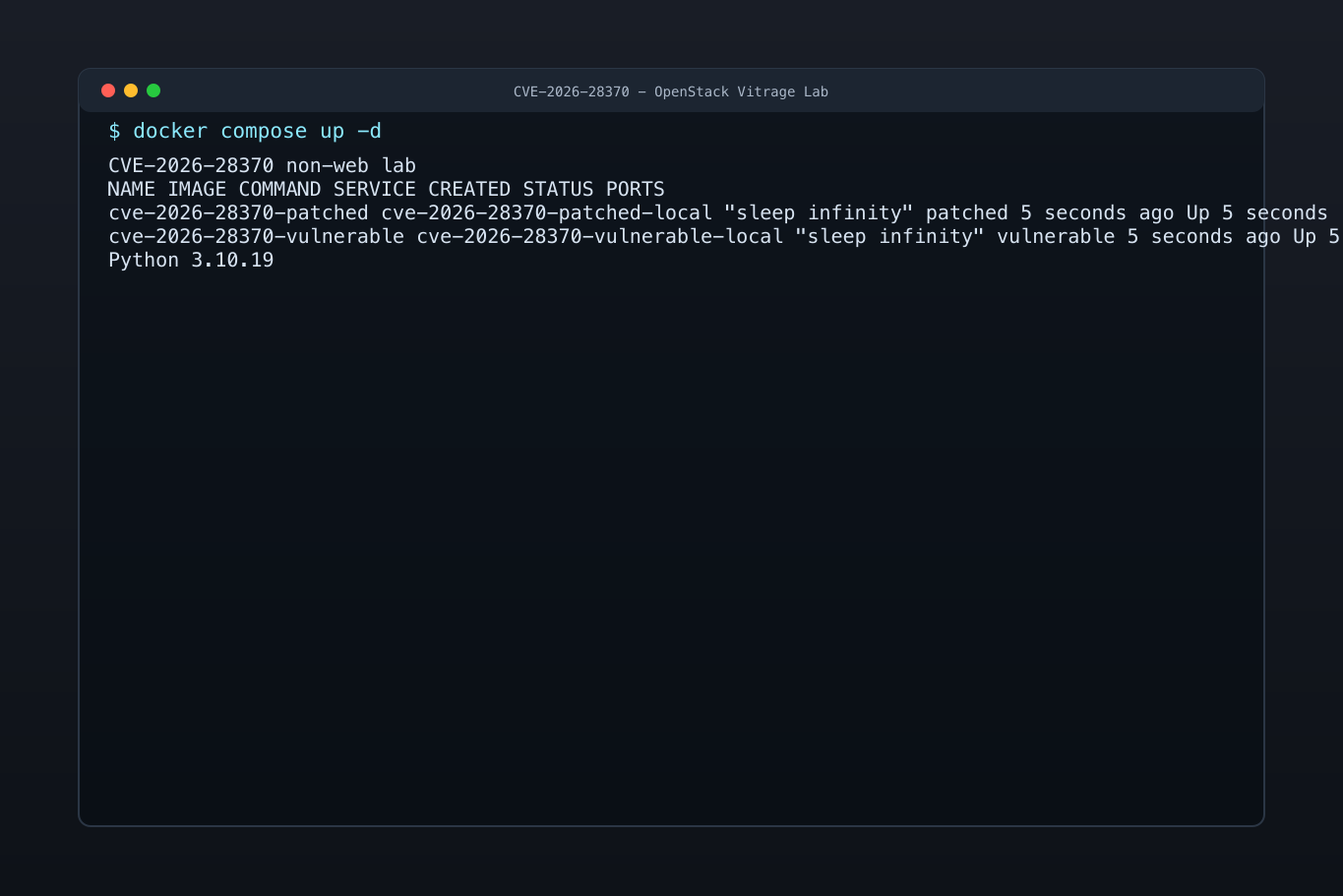
In the query parser in OpenStack Vitrage before 12.0.1, 13.0.0, 14.0.0, and 15.0.0, a user allowed to access the Vitrage API may trigger code execution on the Vitrage service host as the user the Vitrage service runs under. This may result in unauthorized access to the host and further compromise of the Vitrage service. All deployments exposing the Vitrage API are affected. This occurs in _create_query_function in vitrage/graph/query.py.
patched 11 layers 198 MB
git clone https://github.com/exploitintel/eip-pocs-and-cves cd eip-pocs-and-cves/CVE-2026-28370 docker compose up patched
vulnerable localhost:8370 12 layers 198 MB
git clone https://github.com/exploitintel/eip-pocs-and-cves cd eip-pocs-and-cves/CVE-2026-28370 docker compose up vulnerable
amd64 / arm64 2026-02-27
HIGH CVE-2026-28372 GNU inetutils <=2.7 - Privilege Escalation
LPE MODERATE
7.40.0%2026-02-27
CVE-2026-28372 lab
LPE MODERATE RELIABLE Python WORKING POC
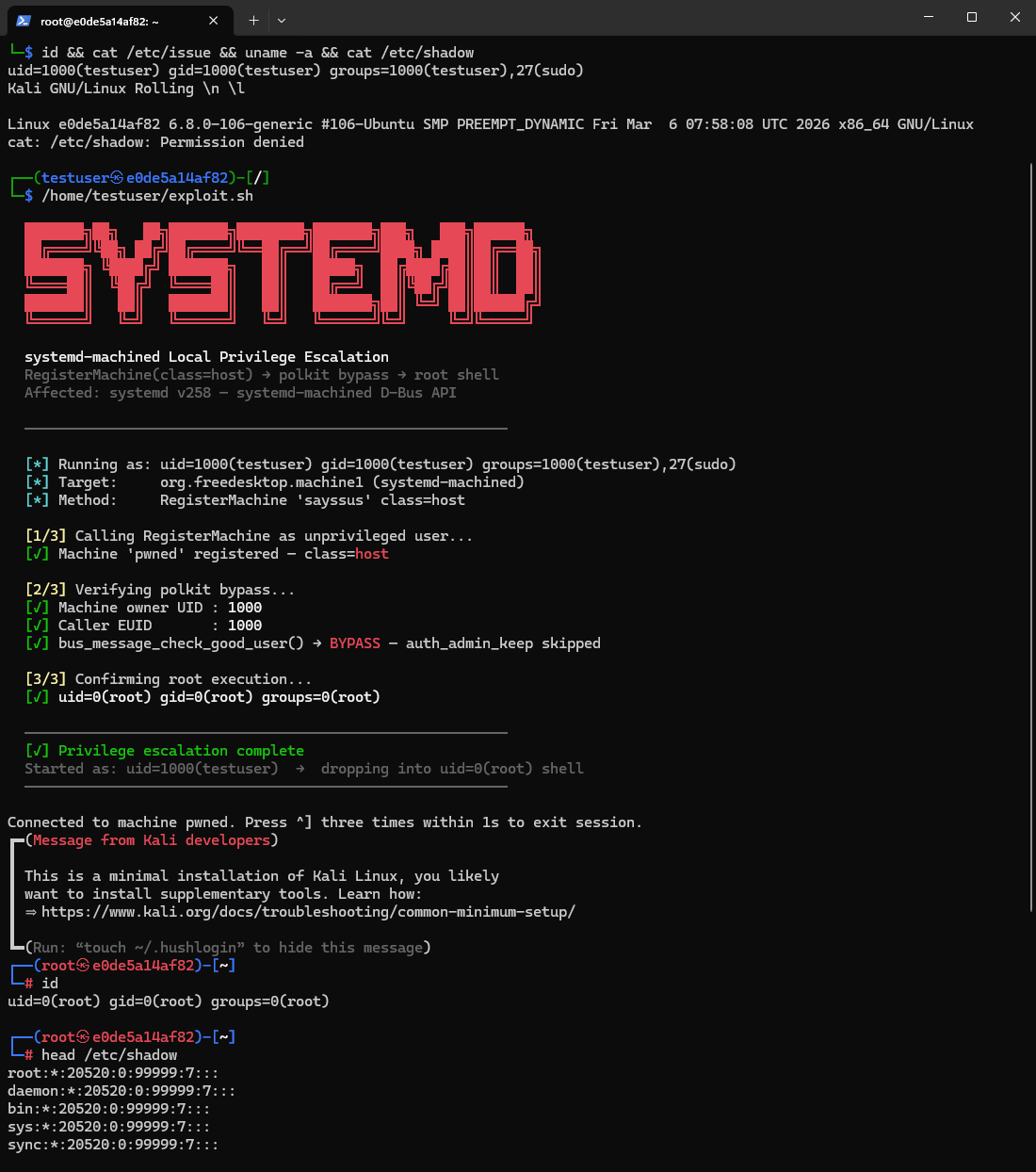
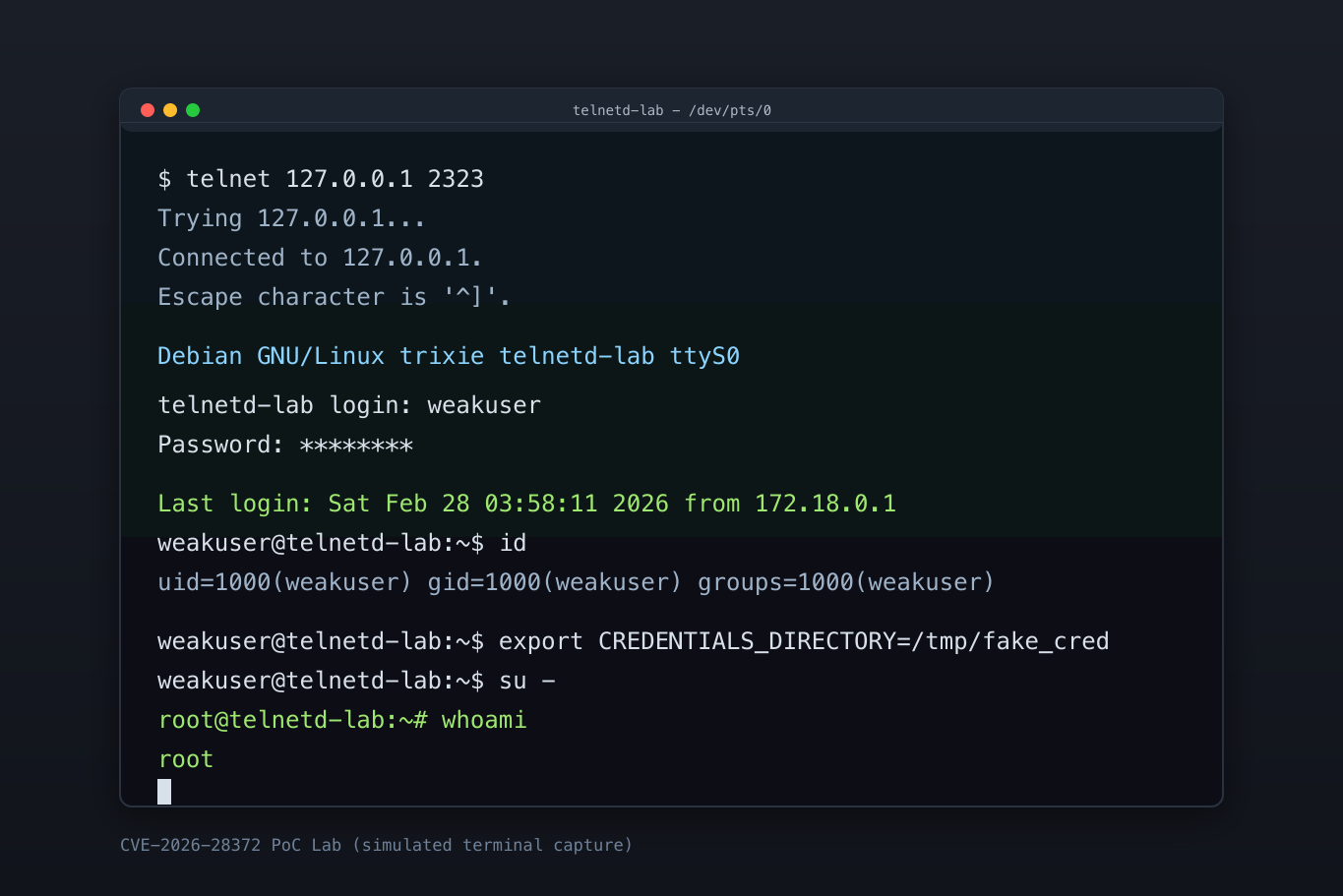
telnetd in GNU inetutils through 2.7 allows privilege escalation that can be exploited by abusing systemd service credentials support added to the login(1) implementation of util-linux in release 2.40. This is related to client control over the CREDENTIALS_DIRECTORY environment variable, and requires an unprivileged local user to create a login.noauth file.
vulnerable localhost:2323 10 layers 65 MB
git clone https://github.com/exploitintel/eip-pocs-and-cves cd eip-pocs-and-cves/CVE-2026-28372 docker compose up
amd64 / arm64 2026-02-27
CRITICAL CVE-2026-28409 WeGIA <3.6.5 - RCE
OTHER THEORETICAL
10.00.3%2026-02-27
CVE-2026-28409 lab
OTHER THEORETICAL THEORETICAL Python STUB
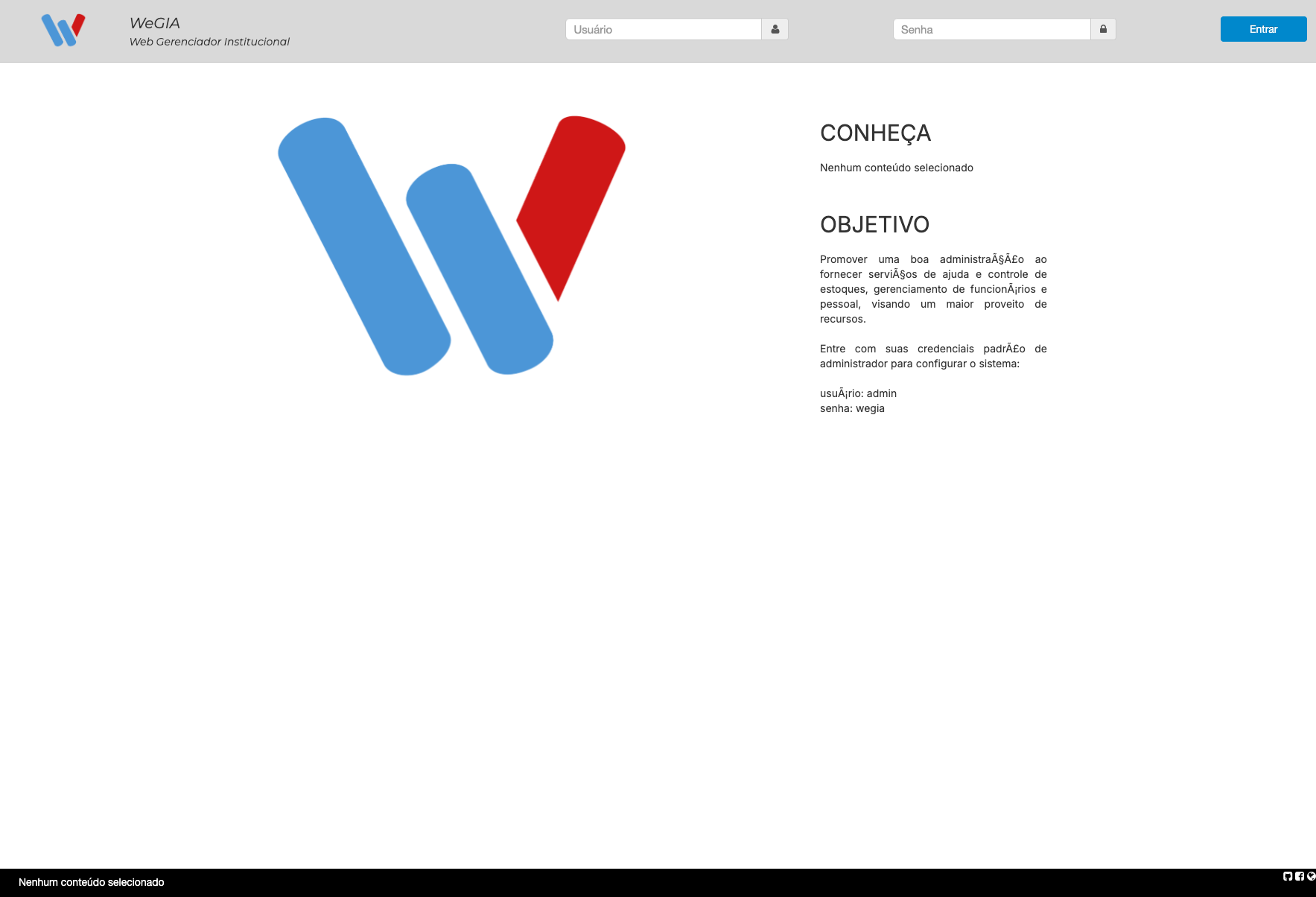
WeGIA is a web manager for charitable institutions. Prior to version 3.6.5, a critical Remote Code Execution (RCE) vulnerability exists in the WeGIA application's database restoration functionality. An attacker with administrative access (which can be obtained via the previously reported Authentication Bypass) can execute arbitrary OS commands on the server by uploading a backup file with a specifically crafted filename. Version 3.6.5 fixes the issue.
patched localhost:8081 29 layers 587 MB
git clone https://github.com/exploitintel/eip-pocs-and-cves cd eip-pocs-and-cves/CVE-2026-28409 docker compose up patched
vulnerable localhost:8081 28 layers 586 MB
git clone https://github.com/exploitintel/eip-pocs-and-cves cd eip-pocs-and-cves/CVE-2026-28409 docker compose up vulnerable
amd64 / arm64 2026-02-27
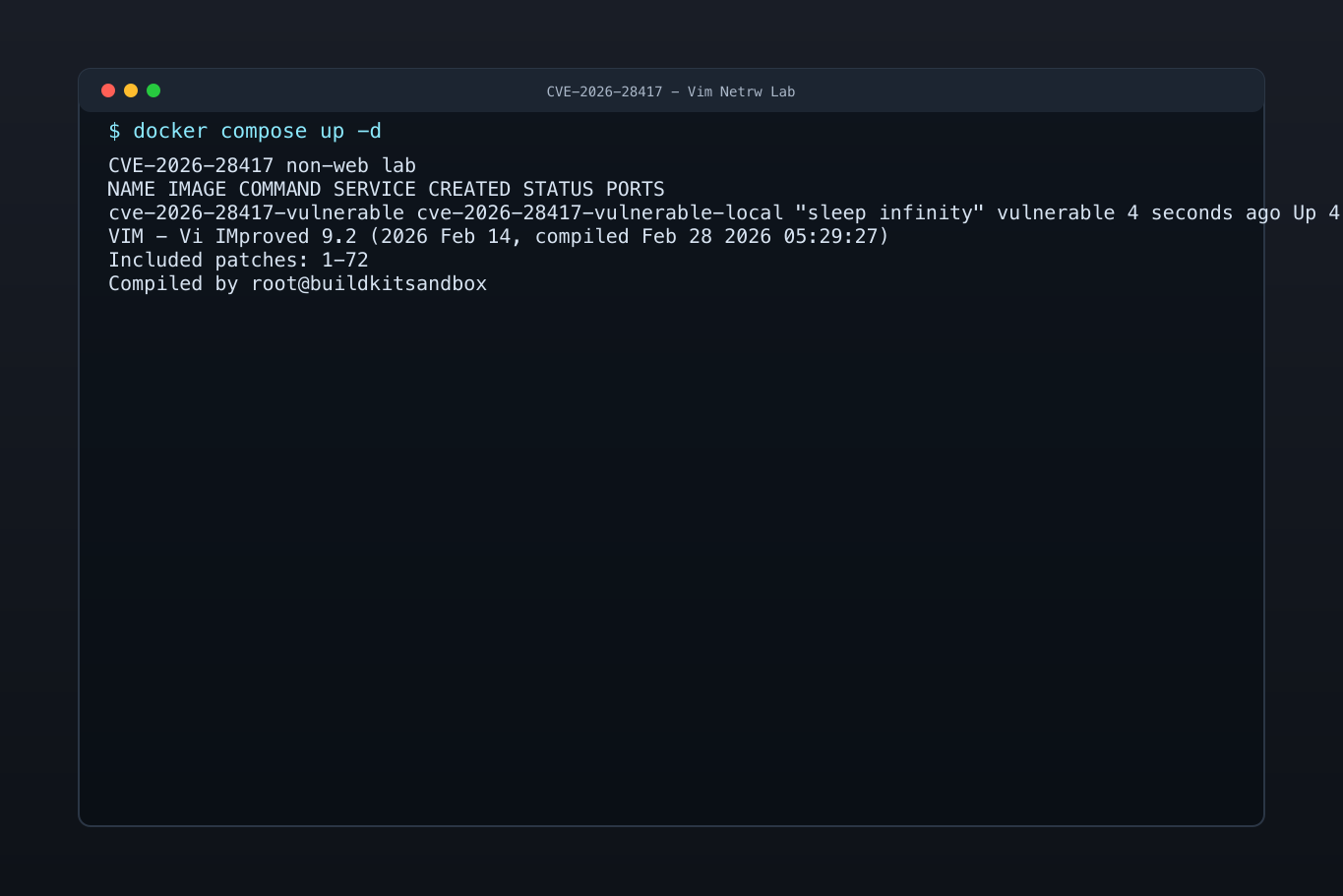
MEDIUM CVE-2026-28417 Vim <9.2.0073 - Command Injection
RCE TRIVIAL
4.40.0%2026-02-27
CVE-2026-28417 lab
RCE TRIVIAL RELIABLE Python WORKING POC
Vim is an open source, command line text editor. Prior to version 9.2.0073, an OS command injection vulnerability exists in the `netrw` standard plugin bundled with Vim. By inducing a user to open a crafted URL (e.g., using the `scp://` protocol handler), an attacker can execute arbitrary shell commands with the privileges of the Vim process. Version 9.2.0073 fixes the issue.
vulnerable localhost:8417 7 layers 53 MB
git clone https://github.com/exploitintel/eip-pocs-and-cves cd eip-pocs-and-cves/CVE-2026-28417 docker compose up
amd64 / arm64 2026-02-27
CRITICAL CVE-2026-28215 Hoppscotch <2026.2.0 - Auth Bypass
AUTH BYPASS TRIVIAL
9.10.1%2026-02-26
CVE-2026-28215 lab
AUTH BYPASS TRIVIAL RELIABLE Python WORKING POC
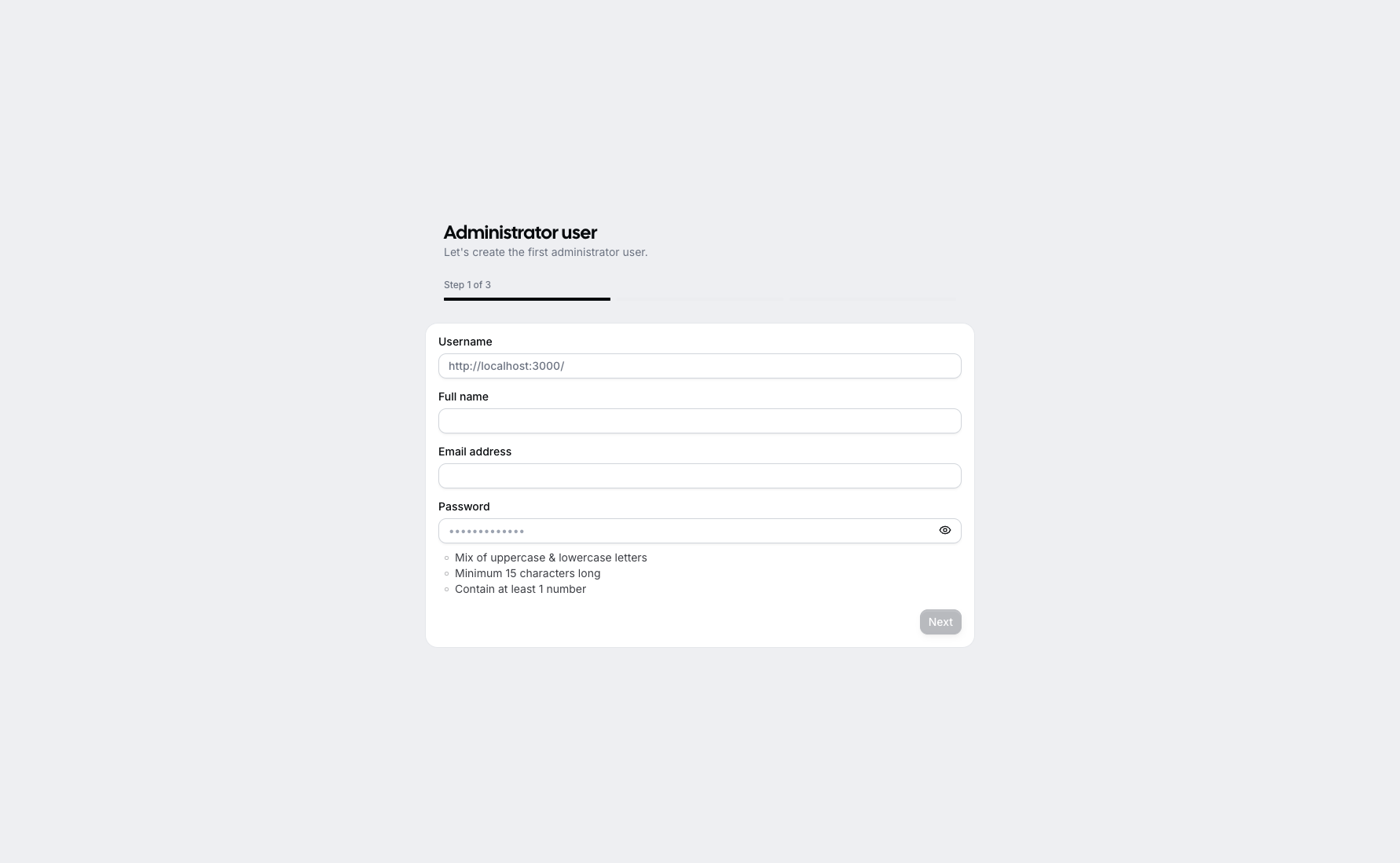
hoppscotch is an open source API development ecosystem. Prior to version 2026.2.0, an unauthenticated attacker can overwrite the entire infrastructure configuration of a self-hosted Hoppscotch instance including OAuth provider credentials and SMTP settings by sending a single HTTP POST request with no authentication. The endpoint POST /v1/onboarding/config has no authentication guard and performs no check on whether onboarding was already completed. A successful exploit allows the attacker to replace the instance's Google/GitHub/Microsoft OAuth application credentials with their own, causing all subsequent user logins via SSO to authenticate against the attacker's OAuth app. The attacker captures OAuth tokens and email addresses of every user who logs in after the exploit. Additionally, the endpoint returns a recovery token that can be used to read all stored secrets in plaintext, including SMTP passwords and any other configured credentials. Version 2026.2.0 fixes the issue.
vulnerable localhost:3170 14 layers 385 MB
git clone https://github.com/exploitintel/eip-pocs-and-cves cd eip-pocs-and-cves/CVE-2026-28215 docker compose up
amd64 / arm64 2026-02-26
MEDIUM CVE-2026-28296 GVfs FTP Backend - Command Injection
RCE MODERATE
4.30.1%2026-02-26
CVE-2026-28296 lab
RCE MODERATE RELIABLE Python WORKING POC
A flaw was found in the FTP GVfs backend. A remote attacker could exploit this input validation vulnerability by supplying specially crafted file paths containing carriage return and line feed (CRLF) sequences. These unsanitized sequences allow the attacker to terminate intended FTP commands and inject arbitrary FTP commands, potentially leading to arbitrary code execution or other severe impacts.
ftpserver localhost:2121 6 layers 32 MB
git clone https://github.com/exploitintel/eip-pocs-and-cves cd eip-pocs-and-cves/CVE-2026-28296 docker compose up vulnerable
gvfs-client 8 layers 384 MB
git clone https://github.com/exploitintel/eip-pocs-and-cves cd eip-pocs-and-cves/CVE-2026-28296 docker compose up gvfs-client
gvfs-patched 8 layers 243 MB
git clone https://github.com/exploitintel/eip-pocs-and-cves cd eip-pocs-and-cves/CVE-2026-28296 docker compose up gvfs-patched
malicious-ftpserver localhost:2122 6 layers 41 MB
git clone https://github.com/exploitintel/eip-pocs-and-cves cd eip-pocs-and-cves/CVE-2026-28296 docker compose up malicious-ftpserver
amd64 / arm64 2026-02-26
CRITICAL CVE-2025-69985 FUXA <=1.2.8 - Auth Bypass to RCE
RCE TRIVIAL
9.80.6%2026-02-24
CVE-2025-69985 lab
RCE TRIVIAL RELIABLE Python WORKING POC
FUXA 1.2.8 and prior contains an Authentication Bypass vulnerability leading to Remote Code Execution (RCE). The vulnerability exists in the server/api/jwt-helper.js middleware, which improperly trusts the HTTP "Referer" header to validate internal requests. A remote unauthenticated attacker can bypass JWT authentication by spoofing the Referer header to match the server's host. Successful exploitation allows the attacker to access the protected /api/runscript endpoint and execute arbitrary Node.js code on the server.
patched 15 layers 1.1 GB
git clone https://github.com/exploitintel/eip-pocs-and-cves cd eip-pocs-and-cves/CVE-2025-69985 docker compose up patched
vulnerable localhost:1881 25 layers 1.3 GB
git clone https://github.com/exploitintel/eip-pocs-and-cves cd eip-pocs-and-cves/CVE-2025-69985 docker compose up vulnerable
amd64 / arm64 2026-02-24
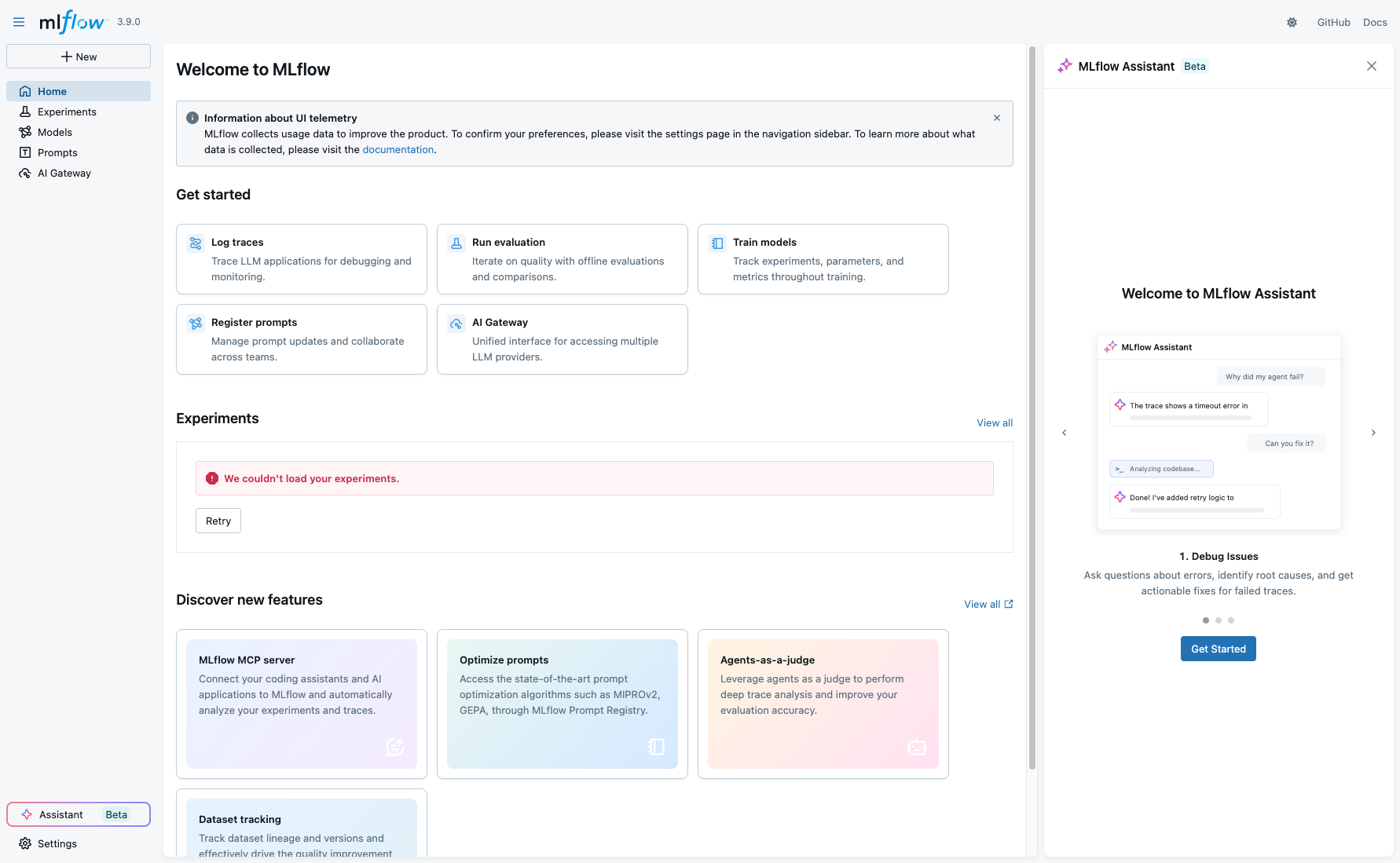
CRITICAL CVE-2026-2635 MLflow - Auth Bypass
AUTH BYPASS TRIVIAL
9.81.4%2026-02-20
CVE-2026-2635 lab
AUTH BYPASS TRIVIAL RELIABLE Python WORKING POC
MLflow Use of Default Password Authentication Bypass Vulnerability. This vulnerability allows remote attackers to bypass authentication on affected installations of MLflow. Authentication is not required to exploit this vulnerability. The specific flaw exists within the basic_auth.ini file. The file contains hard-coded default credentials. An attacker can leverage this vulnerability to bypass authentication and execute arbitrary code in the context of the administrator. Was ZDI-CAN-28256.
patched localhost:15001 7 layers 246 MB
git clone https://github.com/exploitintel/eip-pocs-and-cves cd eip-pocs-and-cves/CVE-2026-2635 docker compose up patched
v3.10 localhost:15002 6 layers 246 MB
git clone https://github.com/exploitintel/eip-pocs-and-cves cd eip-pocs-and-cves/CVE-2026-2635 docker compose up v310
vulnerable localhost:15000 6 layers 246 MB
git clone https://github.com/exploitintel/eip-pocs-and-cves cd eip-pocs-and-cves/CVE-2026-2635 docker compose up vulnerable
amd64 / arm64 2026-02-20
CRITICAL CVE-2026-26988 LibreNMS <=25.12.0 - SQL Injection
SQLI MODERATE
9.10.0%2026-02-20
CVE-2026-26988 lab
SQLI MODERATE RELIABLE Python WORKING POC
LibreNMS is an auto-discovering PHP/MySQL/SNMP based network monitoring tool. Versions 25.12.0 and below contain an SQL Injection vulnerability in the ajax_table.php endpoint. The application fails to properly sanitize or parameterize user input when processing IPv6 address searches. Specifically, the address parameter is split into an address and a prefix, and the prefix portion is directly concatenated into the SQL query string without validation. This allows an attacker to inject arbitrary SQL commands, potentially leading to unauthorized data access or database manipulation. This issue has been fixed in version 26.2.0.
patched localhost:8001 22 layers 194 MB
git clone https://github.com/exploitintel/eip-pocs-and-cves cd eip-pocs-and-cves/CVE-2026-26988 docker compose -f docker-compose-patched.yml up
amd64 / arm64 2026-02-20
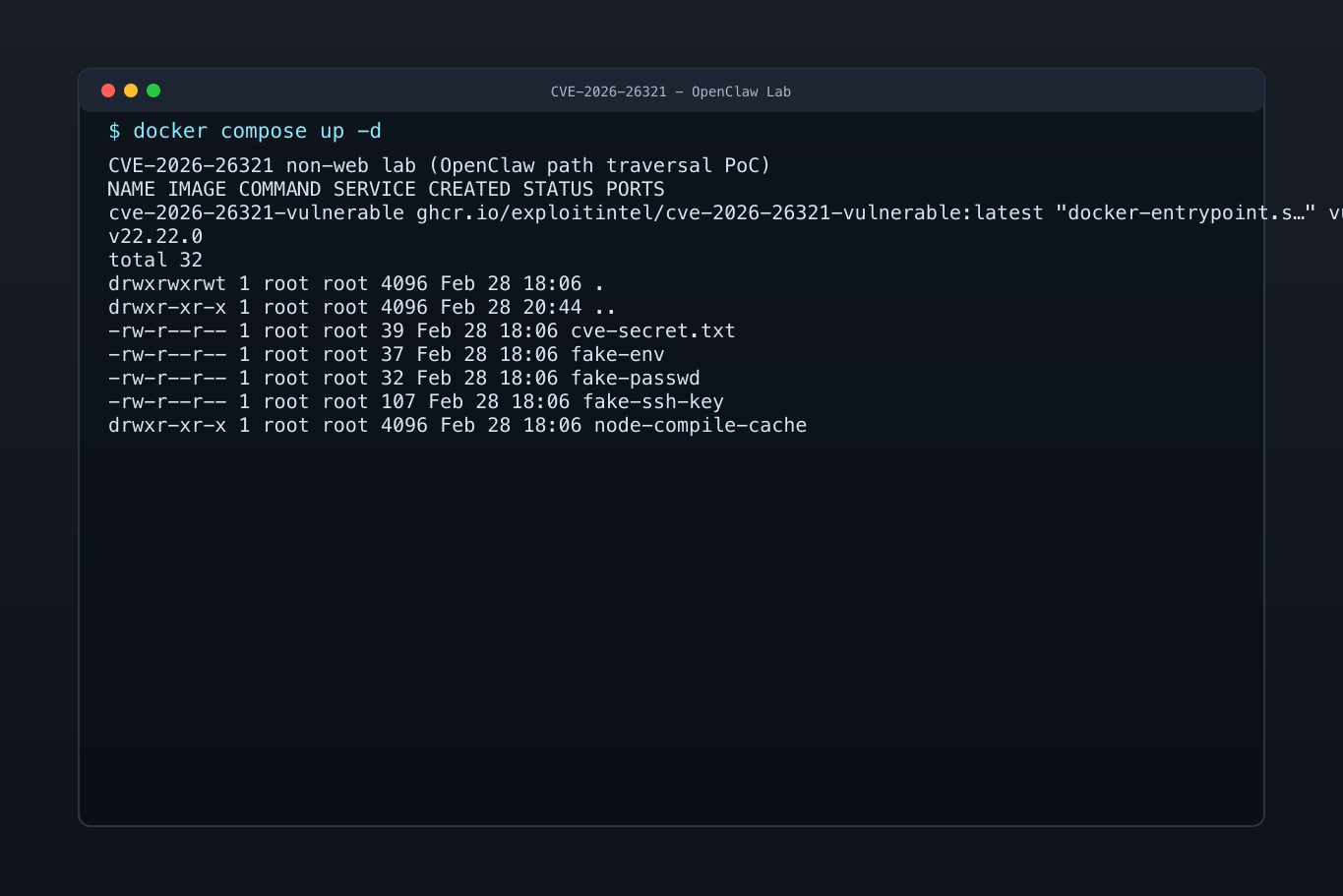
HIGH CVE-2026-26321 OpenClaw <2026.2.14 - Path Traversal
INFO LEAK | SSRF MODERATE
7.50.1%2026-02-19
CVE-2026-26321 lab
INFO LEAK | SSRF MODERATE RELIABLE Python WORKING POC
OpenClaw is a personal AI assistant. Prior to OpenClaw version 2026.2.14, the Feishu extension previously allowed `sendMediaFeishu` to treat attacker-controlled `mediaUrl` values as local filesystem paths and read them directly. If an attacker can influence tool calls (directly or via prompt injection), they may be able to exfiltrate local files by supplying paths such as `/etc/passwd` as `mediaUrl`. Upgrade to OpenClaw `2026.2.14` or newer to receive a fix. The fix removes direct local file reads from this path and routes media loading through hardened helpers that enforce local-root restrictions.
vulnerable localhost:8632 15 layers 1.2 GB
git clone https://github.com/exploitintel/eip-pocs-and-cves cd eip-pocs-and-cves/CVE-2026-26321 docker compose up
amd64 / arm64 2026-02-19
CRITICAL CVE-2026-23906 Apache Druid <36.0.0 - Auth Bypass
AUTH BYPASS TRIVIAL
9.80.1%2026-02-10
CVE-2026-23906 lab
AUTH BYPASS TRIVIAL RELIABLE Python WORKING POC
Affected Products and Versions * Apache Druid * Affected Versions: 0.17.0 through 35.x (all versions prior to 36.0.0) * Prerequisites: * druid-basic-security extension enabled * LDAP authenticator configured * Underlying LDAP server permits anonymous bind                                                                                                                                                    Vulnerability Description An authentication bypass vulnerability exists in Apache Druid when using the druid-basic-security extension with LDAP authentication. If the underlying LDAP server is configured to allow anonymous binds, an attacker can bypass authentication by providing an existing username with an empty password. This allows unauthorized access to otherwise restricted Druid resources without valid credentials. The vulnerability stems from improper validation of LDAP authentication responses when anonymous binds are permitted, effectively treating anonymous bind success as valid user authentication. Impact A remote, unauthenticated attacker can: * Gain unauthorized access to the Apache Druid cluster * Access sensitive data stored in Druid datasources * Execute queries and potentially manipulate data * Access administrative interfaces if the bypassed account has elevated privileges * Completely compromise the confidentiality, integrity, and availability of the Druid deployment                                                                                                                                                                                     Mitigation   Immediate Mitigation (No Druid Upgrade Required):                                                                                                                                                   * Disable anonymous bind on your LDAP server. This prevents the vulnerability from being exploitable and is the recommended immediate action. Resolution * Upgrade Apache Druid to version 36.0.0 or later, which includes fixes to properly reject anonymous LDAP bind attempts.
openldap localhost:8888 12 layers 90 MB
git clone https://github.com/exploitintel/eip-pocs-and-cves cd eip-pocs-and-cves/CVE-2026-23906 docker compose up
amd64 / arm64 2026-02-10
CRITICAL CVE-2026-1868 GitLab AI Gateway <18.6.1-18.8.0 - DoS/Code Execution
OTHER THEORETICAL
9.90.0%2026-02-09
CVE-2026-1868 lab
OTHER THEORETICAL THEORETICAL Python STUB
GitLab has remediated a vulnerability in the Duo Workflow Service component of GitLab AI Gateway affecting all versions of the AI Gateway from 18.1.6, 18.2.6, 18.3.1 to 18.6.1, 18.7.0, and 18.8.0 in which AI Gateway was vulnerable to insecure template expansion of user supplied data via crafted Duo Agent Platform Flow definitions. This vulnerability could be used to cause Denial of Service or gain code execution on the Gateway. This has been fixed in versions 18.6.2, 18.7.1, and 18.8.1 of the GitLab AI Gateway.
vulnerable localhost:18080 8 layers 56 MB
git clone https://github.com/exploitintel/eip-pocs-and-cves cd eip-pocs-and-cves/CVE-2026-1868 docker compose up
amd64 / arm64 2026-02-09
CRITICAL CVE-2025-15467 Openssl < 3.0.19 - Out-of-Bounds Write
RCE COMPLEX
9.81.0%2026-01-27
RCE COMPLEX RELIABLE Python WORKING POC
Issue summary: Parsing CMS AuthEnvelopedData or EnvelopedData message with maliciously crafted AEAD parameters can trigger a stack buffer overflow. Impact summary: A stack buffer overflow may lead to a crash, causing Denial of Service, or potentially remote code execution. When parsing CMS (Auth)EnvelopedData structures that use AEAD ciphers such as AES-GCM, the IV (Initialization Vector) encoded in the ASN.1 parameters is copied into a fixed-size stack buffer without verifying that its length fits the destination. An attacker can supply a crafted CMS message with an oversized IV, causing a stack-based out-of-bounds write before any authentication or tag verification occurs. Applications and services that parse untrusted CMS or PKCS#7 content using AEAD ciphers (e.g., S/MIME (Auth)EnvelopedData with AES-GCM) are vulnerable. Because the overflow occurs prior to authentication, no valid key material is required to trigger it. While exploitability to remote code execution depends on platform and toolchain mitigations, the stack-based write primitive represents a severe risk. The FIPS modules in 3.6, 3.5, 3.4, 3.3 and 3.0 are not affected by this issue, as the CMS implementation is outside the OpenSSL FIPS module boundary. OpenSSL 3.6, 3.5, 3.4, 3.3 and 3.0 are vulnerable to this issue. OpenSSL 1.1.1 and 1.0.2 are not affected by this issue.
vulnerable localhost:4444 13 layers 38 MB
git clone https://github.com/exploitintel/eip-pocs-and-cves cd eip-pocs-and-cves/CVE-2025-15467 docker compose up
amd64 / arm64 2026-01-27
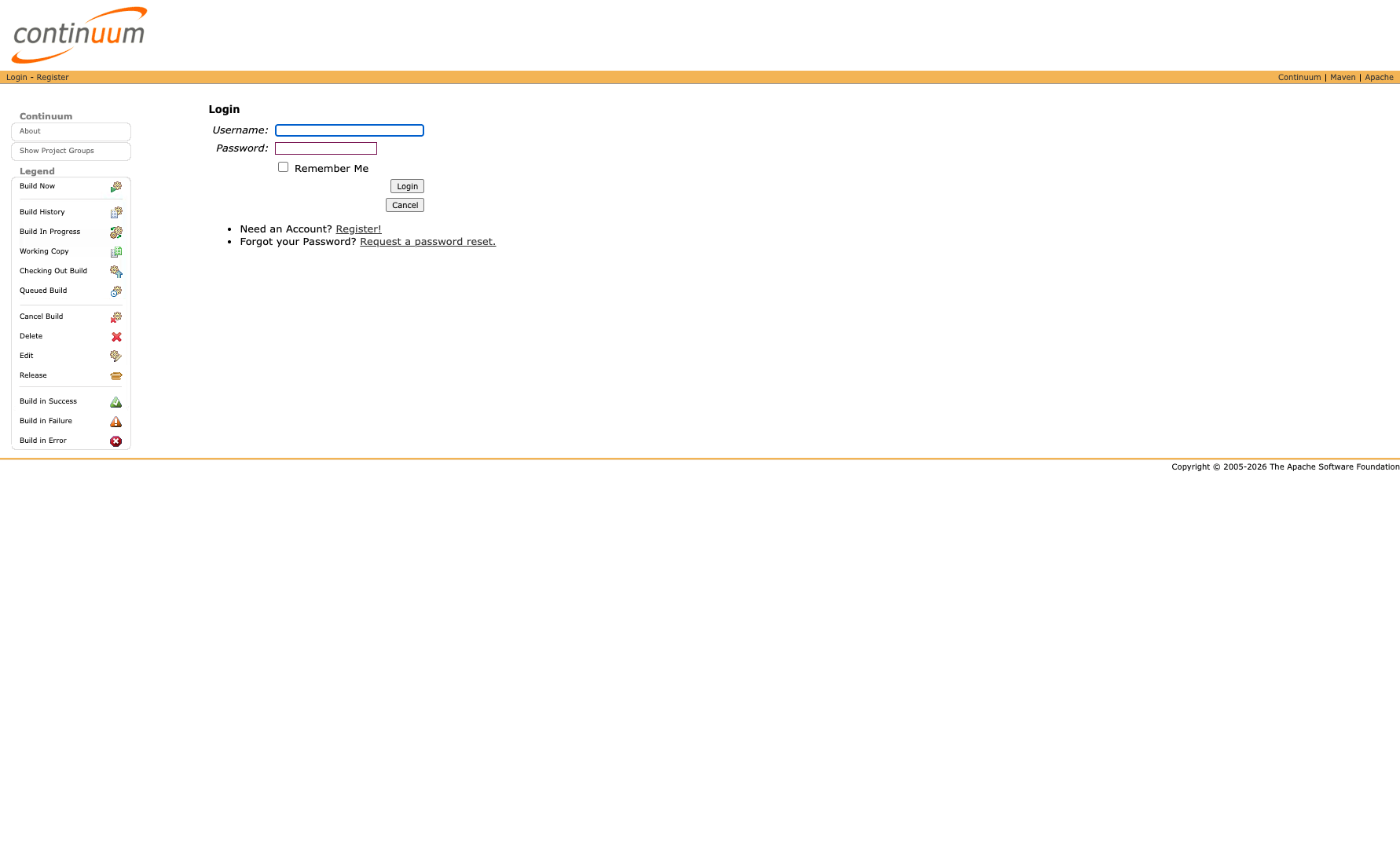
CRITICAL CVE-2016-15057 Apache Continuum - Command Injection
RCE TRIVIAL
9.937.9%2026-01-26
CVE-2016-15057 lab
RCE TRIVIAL RELIABLE Python WORKING POC
** UNSUPPORTED WHEN ASSIGNED ** Improper Neutralization of Special Elements used in a Command ('Command Injection') vulnerability in Apache Continuum. This issue affects Apache Continuum: all versions. Attackers with access to the installations REST API can use this to invoke arbitrary commands on the server. As this project is retired, we do not plan to release a version that fixes this issue. Users are recommended to find an alternative or restrict access to the instance to trusted users. NOTE: This vulnerability only affects products that are no longer supported by the maintainer.
vulnerable localhost:18080 11 layers 113 MB
git clone https://github.com/exploitintel/eip-pocs-and-cves cd eip-pocs-and-cves/CVE-2016-15057 docker compose up
amd64 / arm64 2026-01-26
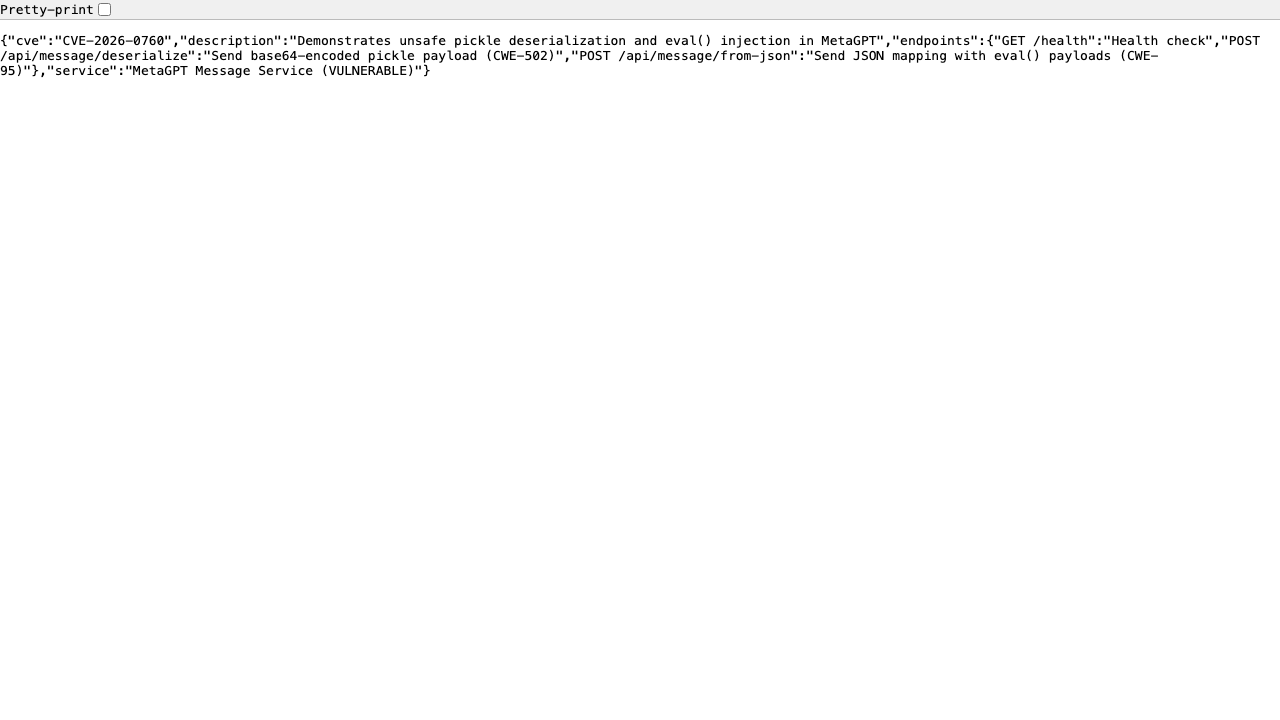
CRITICAL CVE-2026-0760 Foundation Agents MetaGPT - Deserialization
RCE TRIVIAL
9.81.7%2026-01-23
CVE-2026-0760 lab
RCE TRIVIAL RELIABLE Python WORKING POC
Foundation Agents MetaGPT deserialize_message Deserialization of Untrusted Data Remote Code Execution Vulnerability. This vulnerability allows remote attackers to execute arbitrary code on affected installations of Foundation Agents MetaGPT. Authentication is not required to exploit this vulnerability. The specific flaw exists within the deserialize_message function. The issue results from the lack of proper validation of user-supplied data, which can result in deserialization of untrusted data. An attacker can leverage this vulnerability to execute code in the context of the service account. Was ZDI-CAN-28121.
vulnerable localhost:8080 11 layers 195 MB
git clone https://github.com/exploitintel/eip-pocs-and-cves cd eip-pocs-and-cves/CVE-2026-0760 docker compose up
amd64 / arm64 2026-01-23
CRITICAL CVE-2026-0761 Foundation Agents MetaGPT - Code Injection
RCE MODERATE
9.82.6%2026-01-23
CVE-2026-0761 lab
RCE MODERATE RELIABLE Python WORKING POC
Foundation Agents MetaGPT actionoutput_str_to_mapping Code Injection Remote Code Execution Vulnerability. This vulnerability allows remote attackers to execute arbitrary code on affected installations of Foundation Agents MetaGPT. Authentication is not required to exploit this vulnerability. The specific flaw exists within the actionoutput_str_to_mapping function. The issue results from the lack of proper validation of a user-supplied string before using it to execute Python code. An attacker can leverage this vulnerability to execute code in the context of the service account. Was ZDI-CAN-28124.
patched localhost:8761 14 layers 235 MB
git clone https://github.com/exploitintel/eip-pocs-and-cves cd eip-pocs-and-cves/CVE-2026-0761 docker compose up patched
vulnerable localhost:8761 14 layers 236 MB
git clone https://github.com/exploitintel/eip-pocs-and-cves cd eip-pocs-and-cves/CVE-2026-0761 docker compose up vulnerable
amd64 / arm64 2026-01-23
HIGH CVE-2026-0765 Openwebui Open Webui - OS Command Injection
RCE MODERATE
8.80.6%2026-01-23
CVE-2026-0765 lab
RCE MODERATE RELIABLE Python WORKING POC
Open WebUI PIP install_frontmatter_requirements Command Injection Remote Code Execution Vulnerability. This vulnerability allows remote attackers to execute arbitrary code on affected installations of Open WebUI. Authentication is required to exploit this vulnerability. The specific flaw exists within the install_frontmatter_requirements function.The issue results from the lack of proper validation of a user-supplied string before using it to execute a system call. An attacker can leverage this vulnerability to execute code in the context of the service account. Was ZDI-CAN-28258.
vulnerable localhost:8080 18 layers 1.7 GB
git clone https://github.com/exploitintel/eip-pocs-and-cves cd eip-pocs-and-cves/CVE-2026-0765 docker compose up
amd64 / arm64 2026-01-23
HIGH CVE-2026-0766 Openwebui Open Webui - Code Injection
RCE TRIVIAL
8.80.6%2026-01-23
CVE-2026-0766 lab
RCE TRIVIAL RELIABLE Python WORKING POC
Open WebUI load_tool_module_by_id Command Injection Remote Code Execution Vulnerability. This vulnerability allows remote attackers to execute arbitrary code on affected installations of Open WebUI. Authentication is required to exploit this vulnerability. The specific flaw exists within the load_tool_module_by_id function. The issue results from the lack of proper validation of a user-supplied string before using it to execute Python code. An attacker can leverage this vulnerability to execute code in the context of the service account. Was ZDI-CAN-28257.
vulnerable localhost:18082 18 layers 1.7 GB
git clone https://github.com/exploitintel/eip-pocs-and-cves cd eip-pocs-and-cves/CVE-2026-0766 docker compose up
amd64 / arm64 2026-01-23
CRITICAL CVE-2026-0768 Langflow - Code Injection
RCE TRIVIAL
9.82.6%2026-01-23
CVE-2026-0768 lab
RCE TRIVIAL RELIABLE Python WORKING POC
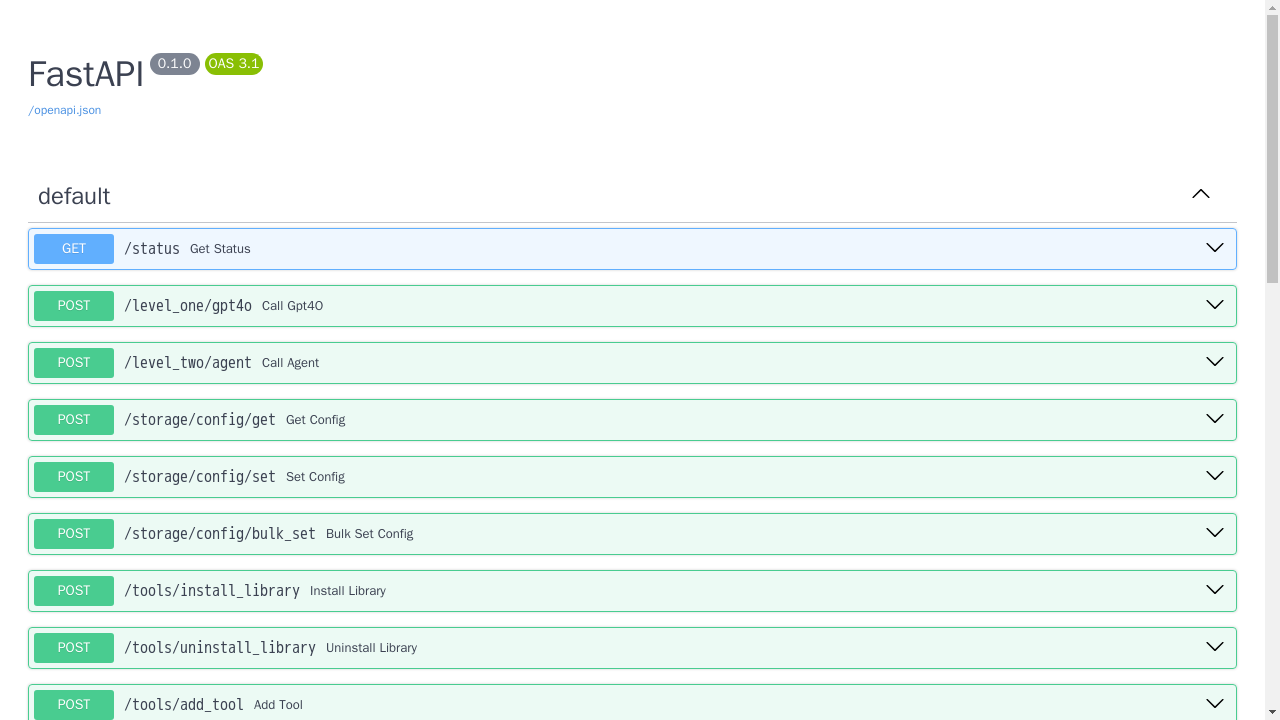
Langflow code Code Injection Remote Code Execution Vulnerability. This vulnerability allows remote attackers to execute arbitrary code on affected installations of Langflow. Authentication is not required to exploit this vulnerability. The specific flaw exists within the handling of the code parameter provided to the validate endpoint. The issue results from the lack of proper validation of a user-supplied string before using it to execute Python code. An attacker can leverage this vulnerability to execute code in the context of root. . Was ZDI-CAN-27322.
vulnerable localhost:17860 8 layers 656 MB
git clone https://github.com/exploitintel/eip-pocs-and-cves cd eip-pocs-and-cves/CVE-2026-0768 docker compose up
amd64 / arm64 2026-01-23
CRITICAL CVE-2026-0769 Langflow - Code Injection
RCE TRIVIAL
9.82.0%2026-01-23
CVE-2026-0769 lab
RCE TRIVIAL RELIABLE Python WORKING POC
Langflow eval_custom_component_code Eval Injection Remote Code Execution Vulnerability. This vulnerability allows remote attackers to execute arbitrary code on affected installations of Langflow. Authentication is not required to exploit this vulnerability. The specific flaw exists within the implementation of eval_custom_component_code function. The issue results from the lack of proper validation of a user-supplied string before using it to execute python code. An attacker can leverage this vulnerability to execute code in the context of the current process. Was ZDI-CAN-26972.
vulnerable localhost:7860 8 layers 713 MB
git clone https://github.com/exploitintel/eip-pocs-and-cves cd eip-pocs-and-cves/CVE-2026-0769 docker compose up
amd64 / arm64 2026-01-23
CRITICAL CVE-2026-0773 Upsonic - Deserialization
RCE TRIVIAL
9.81.3%2026-01-23
CVE-2026-0773 lab
RCE TRIVIAL RELIABLE Python WORKING POC
Upsonic Cloudpickle Deserialization of Untrusted Data Remote Code Execution Vulnerability. This vulnerability allows remote attackers to execute arbitrary code on affected installations of Upsonic. Authentication is not required to exploit this vulnerability. The specific flaw exists within the add_tool endpoint, which listens on TCP port 7541 by default. The issue results from the lack of proper validation of user-supplied data, which can result in deserialization of untrusted data. An attacker can leverage this vulnerability to execute code in the context of the service account. Was ZDI-CAN-26845.
vulnerable localhost:7541 12 layers 343 MB
git clone https://github.com/exploitintel/eip-pocs-and-cves cd eip-pocs-and-cves/CVE-2026-0773 docker compose up
amd64 / arm64 2026-01-23
CRITICAL CVE-2025-14931 Hugging Face smolagents - Deserialization
RCE MODERATE
10.02.5%2025-12-23
CVE-2025-14931 lab
RCE MODERATE RELIABLE Python WORKING POC
Hugging Face smolagents Remote Python Executor Deserialization of Untrusted Data Remote Code Execution Vulnerability. This vulnerability allows remote attackers to execute arbitrary code on affected installations of Hugging Face smolagents. Authentication is not required to exploit this vulnerability. The specific flaw exists within the parsing of pickle data. The issue results from the lack of proper validation of user-supplied data, which can result in deserialization of untrusted data. An attacker can leverage this vulnerability to execute code in the context of the service account. Was ZDI-CAN-28312.
malicious-server localhost:8888 7 layers 50 MB
git clone https://github.com/exploitintel/eip-pocs-and-cves cd eip-pocs-and-cves/CVE-2025-14931 docker compose up malicious-server
victim localhost:8888 12 layers 68 MB
git clone https://github.com/exploitintel/eip-pocs-and-cves cd eip-pocs-and-cves/CVE-2025-14931 docker compose up victim
amd64 / arm64 2025-12-23
CRITICAL CVE-2025-67895 Apache-airflow-providers-edge3 < 2.0.0 - Remote Code Execution
RCE MODERATE
9.80.3%2025-12-17
CVE-2025-67895 lab
RCE MODERATE RELIABLE Python WORKING POC
Edge3 Worker RPC RCE on Airflow 2. This issue affects Apache Airflow Providers Edge3: before 2.0.0 - and only if you installed and configured it on Airflow 2. The Edge3 provider support in Airflow 2 has been always development-only and not officially released, however if you installed and configured Edge3 provider in Airflow 2, it implicitly enabled non-public (normally) API which was used to test Edge Provider in Airflow 2 during the development. This API allowed Dag author to perform Remote Code Execution in the webserver context, which Dag Author was not supposed to be able to do. If you installed and configured Edge3 provider for Airflow 2, you should uninstall it and migrate to Airflow 3. The new Edge3 provider versions (>=2.0.0) has minimum version of Airflow set to 3 and the RCE-prone Airflow 2 code is removed, so it should no longer be possible to use the Edge3 provider 2.0.0+ on Airflow 2. If you used Edge Provider in Airflow 3, you are not affected.
vulnerable localhost:8080 26 layers 608 MB
git clone https://github.com/exploitintel/eip-pocs-and-cves cd eip-pocs-and-cves/CVE-2025-67895 docker compose up
amd64 / arm64 2025-12-17
HIGH CVE-2025-26866 Apache Hugegraph < 1.7.0 - Insecure Deserialization
RCE MODERATE
8.81.3%2025-12-12
CVE-2025-26866 lab
RCE MODERATE RELIABLE Python WORKING POC
A remote code execution vulnerability exists where a malicious Raft node can exploit insecure Hessian deserialization within the PD store. The fix enforces IP-based authentication to restrict cluster membership and implements a strict class whitelist to harden the Hessian serialization process against object injection attacks. Users are recommended to upgrade to version 1.7.0, which fixes the issue.
vulnerable localhost:8610 12 layers 197 MB
git clone https://github.com/exploitintel/eip-pocs-and-cves cd eip-pocs-and-cves/CVE-2025-26866 docker compose up
amd64 / arm64 2025-12-12
CRITICAL CVE-2025-66489 Cal.com <5.9.8 - Auth Bypass
AUTH BYPASS TRIVIAL
9.80.1%2025-12-03
CVE-2025-66489 lab
AUTH BYPASS TRIVIAL RELIABLE Python WORKING POC
Cal.com is open-source scheduling software. Prior to 5.9.8, A flaw in the login credentials provider allows an attacker to bypass password verification when a TOTP code is provided, potentially gaining unauthorized access to user accounts. This issue exists due to problematic conditional logic in the authentication flow. This vulnerability is fixed in 5.9.8.
vulnerable localhost:3000 7 layers 1.4 GB
git clone https://github.com/exploitintel/eip-pocs-and-cves cd eip-pocs-and-cves/CVE-2025-66489 docker compose up
amd64 / arm64 2025-12-03
CRITICAL CVE-2025-12421 Mattermost <11.0.2, 10.12.1, 10.11.4, 10.5.12 - Auth Bypass
AUTH BYPASS MODERATE
9.90.1%2025-11-27
CVE-2025-12421 lab
AUTH BYPASS MODERATE RELIABLE Python WORKING POC
Mattermost versions 11.0.x <= 11.0.2, 10.12.x <= 10.12.1, 10.11.x <= 10.11.4, 10.5.x <= 10.5.12 fail to to verify that the token used during the code exchange originates from the same authentication flow, which allows an authenticated user to perform account takeover via a specially crafted email address used when switching authentication methods and sending a request to the /users/login/sso/code-exchange endpoint. The vulnerability requires ExperimentalEnableAuthenticationTransfer to be enabled (default: enabled) and RequireEmailVerification to be disabled (default: disabled).
vulnerable localhost:8065 21 layers 666 MB
git clone https://github.com/exploitintel/eip-pocs-and-cves cd eip-pocs-and-cves/CVE-2025-12421 docker compose up
amd64 / arm64 2025-11-27
CRITICAL CVE-2025-59390 Apache Druid < 35.0.0 - Authentication Bypass
AUTH BYPASS MODERATE
9.80.1%2025-11-26
CVE-2025-59390 lab
AUTH BYPASS MODERATE RELIABLE Python WORKING POC
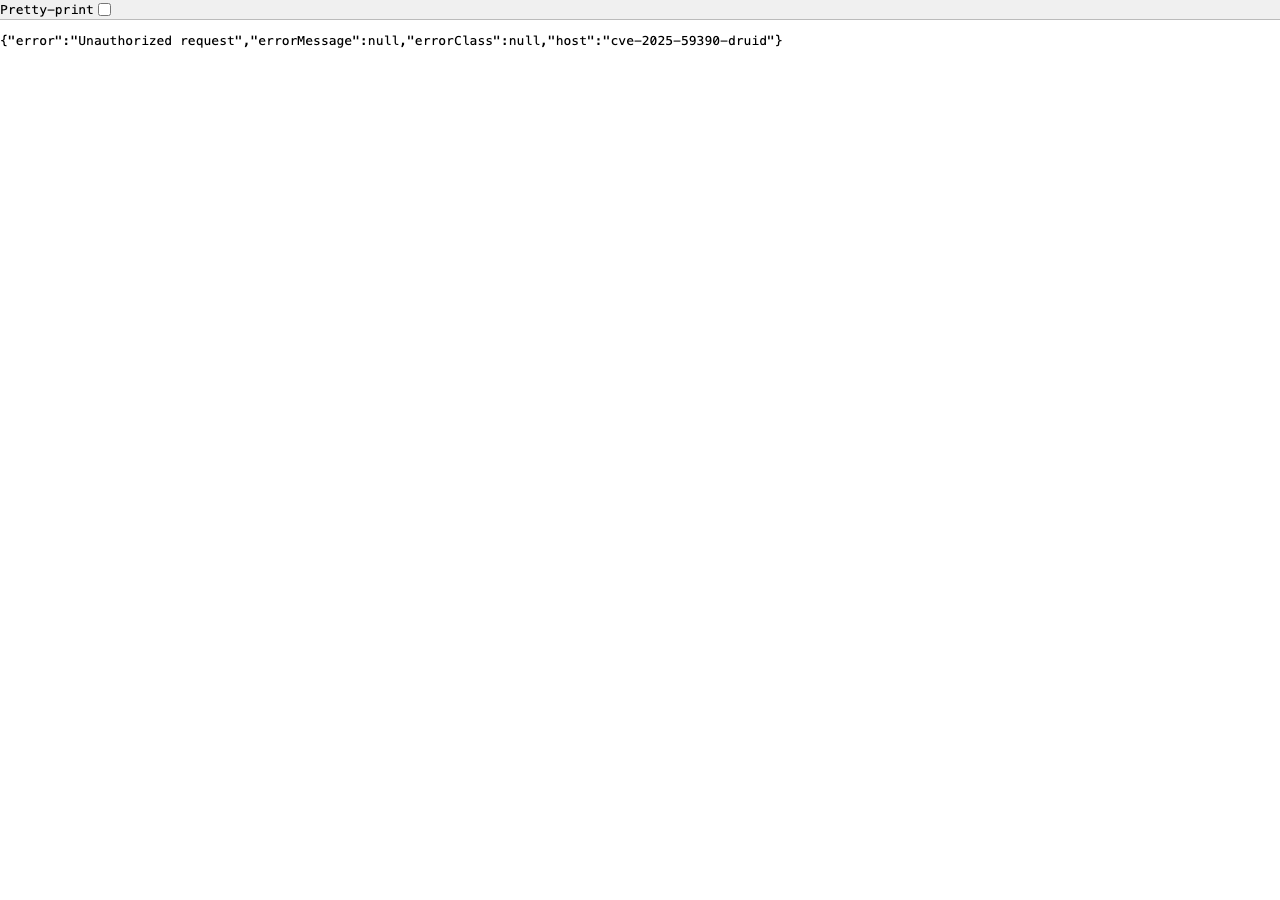
Apache Druid’s Kerberos authenticator uses a weak fallback secret when the `druid.auth.authenticator.kerberos.cookieSignatureSecret` configuration is not explicitly set. In this case, the secret is generated using `ThreadLocalRandom`, which is not a crypto-graphically secure random number generator. This may allow an attacker to predict or brute force the secret used to sign authentication cookies, potentially enabling token forgery or authentication bypass. Additionally, each process generates its own fallback secret, resulting in inconsistent secrets across nodes. This causes authentication failures in distributed or multi-broker deployments, effectively leading to a incorrectly configured clusters. Users are advised to configure a strong `druid.auth.authenticator.kerberos.cookieSignatureSecret` This issue affects Apache Druid: through 34.0.0. Users are recommended to upgrade to version 35.0.0, which fixes the issue making it mandatory to set `druid.auth.authenticator.kerberos.cookieSignatureSecret` when using the Kerberos authenticator. Services will fail to come up if the secret is not set.
kdc localhost:8081 8 layers 70 MB
git clone https://github.com/exploitintel/eip-pocs-and-cves cd eip-pocs-and-cves/CVE-2025-59390 docker compose up kdc
vulnerable localhost:8081 47 layers 560 MB
git clone https://github.com/exploitintel/eip-pocs-and-cves cd eip-pocs-and-cves/CVE-2025-59390 docker compose up vulnerable
amd64 / arm64 2025-11-26
HIGH CVE-2025-10622 Red Hat Satellite - Command Injection
RCE MODERATE
8.00.1%2025-11-05
CVE-2025-10622 lab
RCE MODERATE RELIABLE Python WORKING POC
A flaw was found in Red Hat Satellite (Foreman component). This vulnerability allows an authenticated user with edit_settings permissions to achieve arbitrary command execution on the underlying operating system via insufficient server-side validation of command whitelisting.
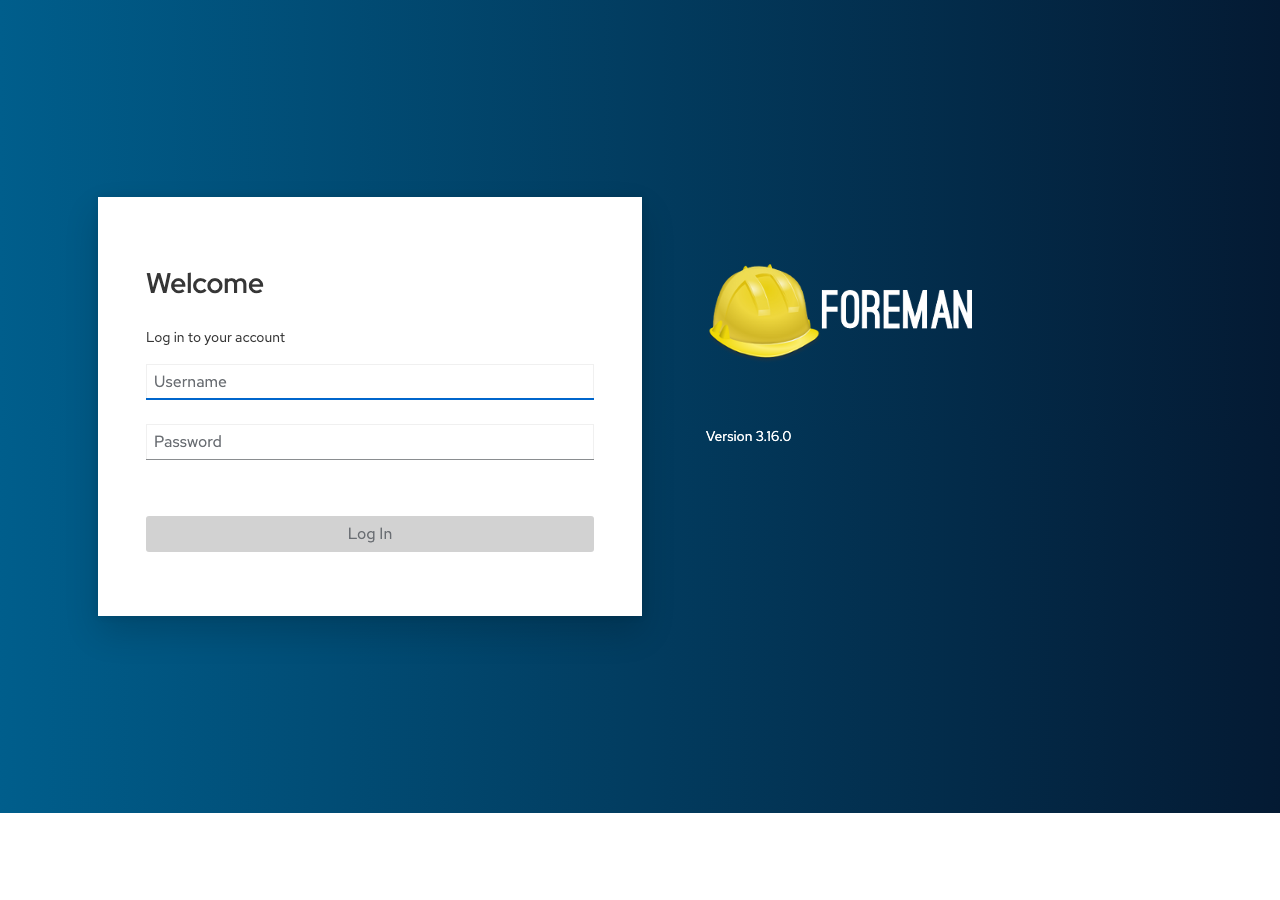
vulnerable localhost:3000 9 layers 226 MB
git clone https://github.com/exploitintel/eip-pocs-and-cves cd eip-pocs-and-cves/CVE-2025-10622 docker compose up
amd64 / arm64 2025-11-05
CRITICAL CVE-2025-60355 zhangyd-c OneBlog <2.3.9 - Server-Side Template Injection
RCE MODERATE
9.80.1%2025-10-28
CVE-2025-60355 lab
RCE MODERATE RELIABLE Python WORKING POC
zhangyd-c OneBlog v2.3.9 and before was vulnerable to SSTI (Server-Side Template Injection) via FreeMarker templates.
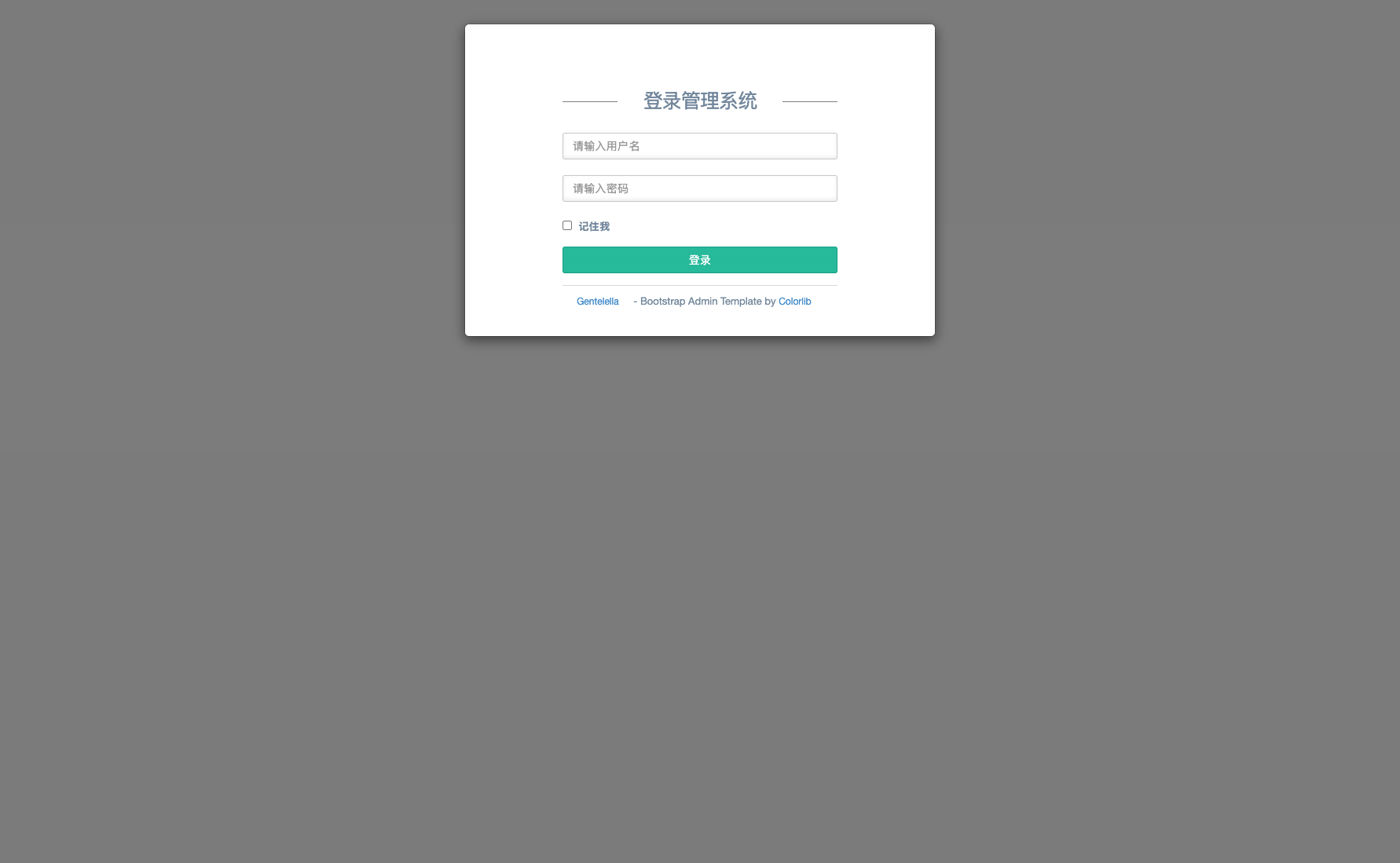
admin localhost:8085 7 layers 135 MB
git clone https://github.com/exploitintel/eip-pocs-and-cves cd eip-pocs-and-cves/CVE-2025-60355 docker compose up vulnerable
admin-patched localhost:9085 7 layers 136 MB
git clone https://github.com/exploitintel/eip-pocs-and-cves cd eip-pocs-and-cves/CVE-2025-60355 docker compose -f docker-compose.patched.yml up
builder 13 layers 379 MB
git clone https://github.com/exploitintel/eip-pocs-and-cves cd eip-pocs-and-cves/CVE-2025-60355 docker compose up builder
builder-patched 13 layers 380 MB
git clone https://github.com/exploitintel/eip-pocs-and-cves cd eip-pocs-and-cves/CVE-2025-60355 docker compose up builder-patched
mysql 10 layers 101 MB
git clone https://github.com/exploitintel/eip-pocs-and-cves cd eip-pocs-and-cves/CVE-2025-60355 docker compose -f docker-compose.patched.yml up
web localhost:8443 7 layers 135 MB
git clone https://github.com/exploitintel/eip-pocs-and-cves cd eip-pocs-and-cves/CVE-2025-60355 docker compose up cve-60355-web
web-patched localhost:9443 7 layers 135 MB
git clone https://github.com/exploitintel/eip-pocs-and-cves cd eip-pocs-and-cves/CVE-2025-60355 docker compose -f docker-compose.patched.yml up
amd64 / arm64 2025-10-28
CRITICAL CVE-2025-62515 Pypi Pyquokka - Insecure Deserialization
RCE TRIVIAL
9.80.6%2025-10-17
CVE-2025-62515 lab
RCE TRIVIAL RELIABLE Python WORKING POC
pyquokka is a framework for making data lakes work for time series. In versions 0.3.1 and prior, the FlightServer class directly uses pickle.loads() to deserialize action bodies received from Flight clients without any sanitization or validation in the do_action() method. The vulnerable code is located in pyquokka/flight.py at line 283 where arbitrary data from Flight clients is directly passed to pickle.loads(). When FlightServer is configured to listen on 0.0.0.0, this allows attackers across the entire network to perform arbitrary remote code execution by sending malicious pickled payloads through the set_configs action. Additional vulnerability points exist in the cache_garbage_collect, do_put, and do_get functions where pickle.loads is used to deserialize untrusted remote data.
patched localhost:5005 7 layers 141 MB
git clone https://github.com/exploitintel/eip-pocs-and-cves cd eip-pocs-and-cves/CVE-2025-62515 docker compose up patched
vulnerable localhost:5005 7 layers 141 MB
git clone https://github.com/exploitintel/eip-pocs-and-cves cd eip-pocs-and-cves/CVE-2025-62515 docker compose up vulnerable
amd64 / arm64 2025-10-17
HIGH CVE-2024-56143 Strapi < 5.5.2 - IDOR
INFO LEAK MODERATE
8.20.0%2025-10-16
CVE-2024-56143 lab
INFO LEAK MODERATE RELIABLE Python WORKING POC
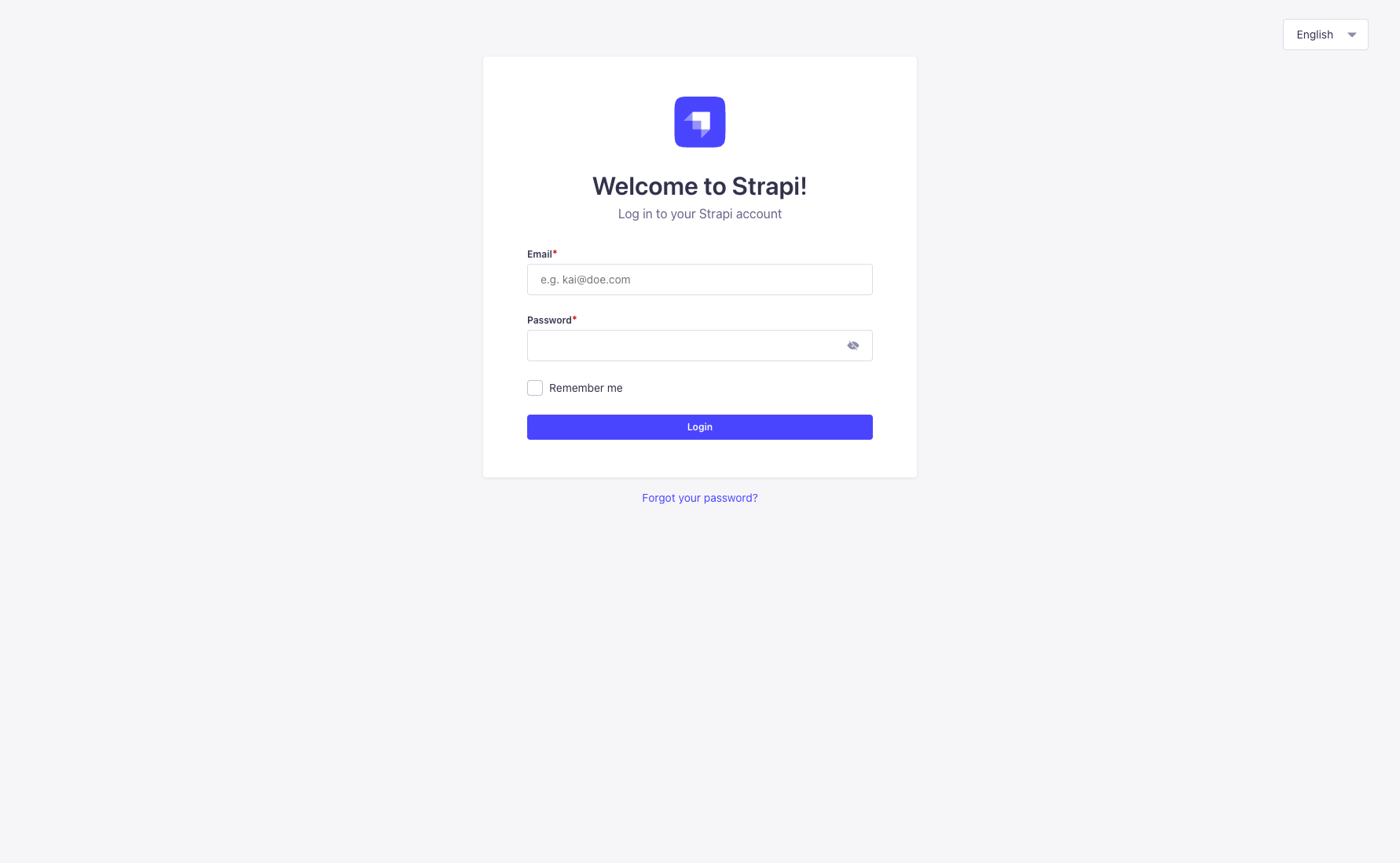
Strapi is an open-source headless content management system. In versions from 5.0.0 to before 5.5.2, the lookup operator provided by the document service does not properly sanitize query parameters for private fields. An attacker can access private fields, including admin passwords and reset tokens, by crafting queries with the lookup parameter. This vulnerability is fixed in 5.5.2.
vulnerable localhost:1337 19 layers 507 MB
git clone https://github.com/exploitintel/eip-pocs-and-cves cd eip-pocs-and-cves/CVE-2024-56143 docker compose up
amd64 / arm64 2025-10-16
CRITICAL CVE-2025-11539 Grafana Image Renderer - RCE
RCE TRIVIAL
9.90.3%2025-10-09
CVE-2025-11539 lab
RCE TRIVIAL RELIABLE Python WORKING POC
Grafana Image Renderer is vulnerable to remote code execution due to an arbitrary file write vulnerability. This is due to the fact that the /render/csv endpoint lacked validation of the filePath parameter that allowed an attacker to save a shared object to an arbitrary location that is then loaded by the Chromium process. Instances are vulnerable if: 1. The default token ("authToken") is not changed, or is known to the attacker. 2. The attacker can reach the image renderer endpoint. This issue affects grafana-image-renderer: from 1.0.0 through 4.0.16.
vulnerable localhost:8081 15 layers 1.1 GB
git clone https://github.com/exploitintel/eip-pocs-and-cves cd eip-pocs-and-cves/CVE-2025-11539 docker compose up
amd64 / arm64 2025-10-09
CRITICAL CVE-2025-58046 Dataease < 2.10.13 - Insecure Deserialization
RCE MODERATE
9.81.1%2025-09-15
CVE-2025-58046 lab
RCE MODERATE RELIABLE Python WORKING POC
Dataease is an open-source data visualization and analysis platform. In versions up to and including 2.10.12, the Impala data source is vulnerable to remote code execution due to insufficient filtering in the getJdbc method of the io.dataease.datasource.type.Impala class. Attackers can construct malicious JDBC connection strings that exploit JNDI injection and trigger RMI deserialization, ultimately enabling remote command execution. The vulnerability can be exploited by editing the data source and providing a crafted JDBC connection string that references a remote configuration file, leading to RMI-based deserialization attacks. This issue has been patched in version 2.10.13. It is recommended to upgrade to the latest version. No known workarounds exist for affected versions.
mysql 12 layers 225 MB
git clone https://github.com/exploitintel/eip-pocs-and-cves cd eip-pocs-and-cves/CVE-2025-58046 docker compose up mysql-de
patched localhost:18101 14 layers 317 MB
git clone https://github.com/exploitintel/eip-pocs-and-cves cd eip-pocs-and-cves/CVE-2025-58046 docker compose up dataease-patched
vulnerable localhost:18100 14 layers 317 MB
git clone https://github.com/exploitintel/eip-pocs-and-cves cd eip-pocs-and-cves/CVE-2025-58046 docker compose up vulnerable
amd64 / arm64 2025-09-15
HIGH CVE-2024-43115 Apache DolphinScheduler <3.2.2 - RCE
RCE MODERATE
8.80.1%2025-09-03
CVE-2024-43115 lab
RCE MODERATE RELIABLE Python WORKING POC
Improper Input Validation vulnerability in Apache DolphinScheduler. An authenticated user can execute any shell script server by alert script. This issue affects Apache DolphinScheduler: before 3.2.2. Users are recommended to upgrade to version 3.3.1, which fixes the issue.

vulnerable localhost:12345 7 layers 388 MB
git clone https://github.com/exploitintel/eip-pocs-and-cves cd eip-pocs-and-cves/CVE-2024-43115 docker compose up
amd64 / arm64 2025-09-03
CRITICAL CVE-2025-58159 Wegia < 3.4.11 - Code Injection
RCE MODERATE
9.90.6%2025-08-29
CVE-2025-58159 lab
RCE MODERATE RELIABLE Python WORKING POC
WeGIA is a Web manager for charitable institutions. Prior to version 3.4.11, a remote code execution vulnerability was identified, caused by improper validation of uploaded files. The application allows an attacker to upload files with arbitrary filenames, including those with a .php extension. Because the uploaded file is written directly to disk without adequate sanitization or extension restrictions, a spreadsheet file followed by PHP code can be uploaded and executed on the server, leading to arbitrary code execution. This is due to insufficient mitigation of CVE-2025-22133. This issue has been patched in version 3.4.11.
patched localhost:8084 12 layers 290 MB
git clone https://github.com/exploitintel/eip-pocs-and-cves cd eip-pocs-and-cves/CVE-2025-58159 docker compose up patched
vulnerable localhost:8083 12 layers 292 MB
git clone https://github.com/exploitintel/eip-pocs-and-cves cd eip-pocs-and-cves/CVE-2025-58159 docker compose up vulnerable
amd64 / arm64 2025-08-29
HIGH CVE-2025-53192 Apache Commons OGNL - Code Injection
RCE MODERATE
8.80.0%2025-08-18
CVE-2025-53192 lab
RCE MODERATE RELIABLE Python WORKING POC
** UNSUPPORTED WHEN ASSIGNED ** Improper Neutralization of Expression/Command Delimiters vulnerability in Apache Commons OGNL. This issue affects Apache Commons OGNL: all versions. When using the API Ognl.getValue​, the OGNL engine parses and evaluates the provided expression with powerful capabilities, including accessing and invoking related methods, etc. Although OgnlRuntime attempts to restrict certain dangerous classes and methods (such as java.lang.Runtime) through a blocklist, these restrictions are not comprehensive. Attackers may be able to bypass the restrictions by leveraging class objects that are not covered by the blocklist and potentially achieve arbitrary code execution. As this project is retired, we do not plan to release a version that fixes this issue. Users are recommended to find an alternative or restrict access to the instance to trusted users. NOTE: This vulnerability only affects products that are no longer supported by the maintainer.
vulnerable localhost:8531 11 layers 185 MB
git clone https://github.com/exploitintel/eip-pocs-and-cves cd eip-pocs-and-cves/CVE-2025-53192 docker compose up
amd64 / arm64 2025-08-18
CRITICAL CVE-2025-54466 Apache Ofbiz < 24.09.02 - Code Injection
RCE MODERATE
9.80.2%2025-08-15
CVE-2025-54466 lab
RCE MODERATE RELIABLE Python WORKING POC
Improper Control of Generation of Code ('Code Injection') vulnerability leading to a possible RCE in Apache OFBiz scrum plugin. This issue affects Apache OFBiz: before 24.09.02 only when the scrum plugin is used. Even unauthenticated attackers can exploit this vulnerability. Users are recommended to upgrade to version 24.09.02, which fixes the issue.
vulnerable localhost:8443 24 layers 1.6 GB
git clone https://github.com/exploitintel/eip-pocs-and-cves cd eip-pocs-and-cves/CVE-2025-54466 docker compose up
amd64 / arm64 2025-08-15
CRITICAL CVE-2025-55010 Kanboard <1.2.47 - Remote Code Execution
RCE MODERATE
9.12.6%2025-08-12
CVE-2025-55010 lab
RCE MODERATE RELIABLE Python WORKING POC
Kanboard is project management software that focuses on the Kanban methodology. Prior to version 1.2.47, an unsafe deserialization vulnerability in the ProjectEventActvityFormatter allows admin users the ability to instantiate arbitrary php objects by modifying the event["data"] field in the project_activities table. A malicious actor can update this field to use a php gadget to write a web shell into the /plugins folder, which then gives remote code execution on the host system. This issue has been patched in version 1.2.47.
patched localhost:8880 9 layers 29 MB
git clone https://github.com/exploitintel/eip-pocs-and-cves cd eip-pocs-and-cves/CVE-2025-55010 docker compose up patched
vulnerable localhost:8880 5 layers 29 MB
git clone https://github.com/exploitintel/eip-pocs-and-cves cd eip-pocs-and-cves/CVE-2025-55010 docker compose up vulnerable
amd64 / arm64 2025-08-12
CRITICAL CVE-2025-48913 Apache CXF <3.6.8-4.1.3 - RCE
SSRF MODERATE
9.80.2%2025-08-08
CVE-2025-48913 lab
SSRF MODERATE RELIABLE Python WORKING POC
If untrusted users are allowed to configure JMS for Apache CXF, previously they could use RMI or LDAP URLs, potentially leading to code execution capabilities. This interface is now restricted to reject those protocols, removing this possibility. Users are recommended to upgrade to versions 3.6.8, 4.0.9 or 4.1.3, which fix this issue.
attacker localhost:8913 6 layers 41 MB
git clone https://github.com/exploitintel/eip-pocs-and-cves cd eip-pocs-and-cves/CVE-2025-48913 docker compose up attacker
patched localhost:8913 9 layers 94 MB
git clone https://github.com/exploitintel/eip-pocs-and-cves cd eip-pocs-and-cves/CVE-2025-48913 docker compose up patched
vulnerable localhost:8913 9 layers 94 MB
git clone https://github.com/exploitintel/eip-pocs-and-cves cd eip-pocs-and-cves/CVE-2025-48913 docker compose up vulnerable
amd64 / arm64 2025-08-08
CRITICAL CVE-2025-6000 Vault <1.20.1 - Code Injection
RCE MODERATE
9.10.1%2025-08-01
CVE-2025-6000 lab
RCE MODERATE RELIABLE Python WORKING POC
A privileged Vault operator within the root namespace with write permission to {{sys/audit}} may obtain code execution on the underlying host if a plugin directory is set in Vault’s configuration. Fixed in Vault Community Edition 1.20.1 and Vault Enterprise 1.20.1, 1.19.7, 1.18.12, and 1.16.23.
vulnerable localhost:8200 7 layers 172 MB
git clone https://github.com/exploitintel/eip-pocs-and-cves cd eip-pocs-and-cves/CVE-2025-6000 docker compose up
amd64 / arm64 2025-08-01
HIGH CVE-2025-49828 Cyberark Conjur < 1.21.2 - Remote Code Execution
RCE MODERATE
8.80.7%2025-07-15
CVE-2025-49828 lab
RCE MODERATE RELIABLE Python WORKING POC
Conjur provides secrets management and application identity for infrastructure. Conjur OSS versions 1.19.5 through 1.21.1 and Secrets Manager, Self-Hosted (formerly known as Conjur Enterprise) 13.1 through 13.4.1 are vulnerable to remote code execution An authenticated attacker who can inject secrets or templates into the Secrets Manager, Self-Hosted database could take advantage of an exposed API endpoint to execute arbitrary Ruby code within the Secrets Manager process. This issue affects both Secrets Manager, Self-Hosted (formerly Conjur Enterprise) and Conjur OSS. Conjur OSS version 1.21.2 and Secrets Manager, Self-Hosted version 13.5 fix the issue.
vulnerable localhost:3000 17 layers 160 MB
git clone https://github.com/exploitintel/eip-pocs-and-cves cd eip-pocs-and-cves/CVE-2025-49828 docker compose up
amd64 / arm64 2025-07-15
CRITICAL CVE-2025-53833 LaRecipe <2.8.1 - SSRF/RCE
RCE MODERATE
10.026.4%2025-07-14
CVE-2025-53833 lab
RCE MODERATE RELIABLE Python WORKING POC
LaRecipe is an application that allows users to create documentation with Markdown inside a Laravel app. Versions prior to 2.8.1 are vulnerable to Server-Side Template Injection (SSTI), which could potentially lead to Remote Code Execution (RCE) in vulnerable configurations. Attackers could execute arbitrary commands on the server, access sensitive environment variables, and/or escalate access depending on server configuration. Users are strongly advised to upgrade to version v2.8.1 or later to receive a patch.
patched localhost:8082 18 layers 262 MB
git clone https://github.com/exploitintel/eip-pocs-and-cves cd eip-pocs-and-cves/CVE-2025-53833 docker compose up patched
vulnerable localhost:8081 18 layers 262 MB
git clone https://github.com/exploitintel/eip-pocs-and-cves cd eip-pocs-and-cves/CVE-2025-53833 docker compose up vulnerable
amd64 / arm64 2025-07-14
CRITICAL CVE-2025-32897 Apache Seata < 2.3.0 - Insecure Deserialization
RCE MODERATE
9.80.3%2025-06-28
CVE-2025-32897 lab
RCE MODERATE RELIABLE Python WORKING POC
Deserialization of Untrusted Data vulnerability in Apache Seata (incubating). This security vulnerability is the same as CVE-2024-47552, but the version range described in the CVE-2024-47552 definition is too narrow. This issue affects Apache Seata (incubating): from 2.0.0 before 2.3.0. Users are recommended to upgrade to version 2.3.0, which fixes the issue.
vulnerable localhost:7191 17 layers 373 MB
git clone https://github.com/exploitintel/eip-pocs-and-cves cd eip-pocs-and-cves/CVE-2025-32897 docker compose up
amd64 / arm64 2025-06-28
CRITICAL CVE-2025-4981 Mattermost Server < 9.11.16 - Uncontrolled Search Path
OTHER MODERATE
9.90.6%2025-06-20
CVE-2025-4981 lab
OTHER MODERATE RELIABLE Python WORKING POC
Mattermost versions 10.5.x <= 10.5.5, 9.11.x <= 9.11.15, 10.8.x <= 10.8.0, 10.7.x <= 10.7.2, 10.6.x <= 10.6.5 fail to sanitize filenames in the archive extractor which allows authenticated users to write files to arbitrary locations on the filesystem via uploading archives with path traversal sequences in filenames, potentially leading to remote code execution. The vulnerability impacts instances where file uploads and document search by content is enabled (FileSettings.EnableFileAttachments = true and FileSettings.ExtractContent = true). These configuration settings are enabled by default.
vulnerable localhost:8065 5 layers 405 MB
git clone https://github.com/exploitintel/eip-pocs-and-cves cd eip-pocs-and-cves/CVE-2025-4981 docker compose up
amd64 / arm64 2025-06-20
HIGH CVE-2025-27818 Apache Kafka < 3.9.1 - Insecure Deserialization
RCE MODERATE
8.80.3%2025-06-10
CVE-2025-27818 lab
RCE MODERATE RELIABLE Python WORKING POC
A possible security vulnerability has been identified in Apache Kafka. This requires access to a alterConfig to the cluster resource, or Kafka Connect worker, and the ability to create/modify connectors on it with an arbitrary Kafka client SASL JAAS config and a SASL-based security protocol, which has been possible on Kafka clusters since Apache Kafka 2.0.0 (Kafka Connect 2.3.0). When configuring the broker via config file or AlterConfig command, or connector via the Kafka Kafka Connect REST API, an authenticated operator can set the `sasl.jaas.config` property for any of the connector's Kafka clients to "com.sun.security.auth.module.LdapLoginModule", which can be done via the `producer.override.sasl.jaas.config`, `consumer.override.sasl.jaas.config`, or `admin.override.sasl.jaas.config` properties. This will allow the server to connect to the attacker's LDAP server and deserialize the LDAP response, which the attacker can use to execute java deserialization gadget chains on the Kafka connect server. Attacker can cause unrestricted deserialization of untrusted data (or) RCE vulnerability when there are gadgets in the classpath. Since Apache Kafka 3.0.0, users are allowed to specify these properties in connector configurations for Kafka Connect clusters running with out-of-the-box configurations. Before Apache Kafka 3.0.0, users may not specify these properties unless the Kafka Connect cluster has been reconfigured with a connector client override policy that permits them. Since Apache Kafka 3.9.1/4.0.0, we have added a system property ("-Dorg.apache.kafka.disallowed.login.modules") to disable the problematic login modules usage in SASL JAAS configuration. Also by default "com.sun.security.auth.module.JndiLoginModule,com.sun.security.auth.module.LdapLoginModule" are disabled in Apache Kafka Connect 3.9.1/4.0.0. We advise the Kafka users to validate connector configurations and only allow trusted LDAP configurations. Also examine connector dependencies for vulnerable versions and either upgrade their connectors, upgrading that specific dependency, or removing the connectors as options for remediation. Finally, in addition to leveraging the "org.apache.kafka.disallowed.login.modules" system property, Kafka Connect users can also implement their own connector client config override policy, which can be used to control which Kafka client properties can be overridden directly in a connector config and which cannot.
patched localhost:8083 11 layers 202 MB
git clone https://github.com/exploitintel/eip-pocs-and-cves cd eip-pocs-and-cves/CVE-2025-27818 docker compose up patched
vulnerable localhost:8083 13 layers 202 MB
git clone https://github.com/exploitintel/eip-pocs-and-cves cd eip-pocs-and-cves/CVE-2025-27818 docker compose up vulnerable
amd64 / arm64 2025-06-10
CRITICAL CVE-2025-27531 Apache InLong <2.1.0 - Deserialization
DESERIALIZATION MODERATE
9.80.5%2025-06-06
CVE-2025-27531 lab
DESERIALIZATION MODERATE RELIABLE Python WORKING POC
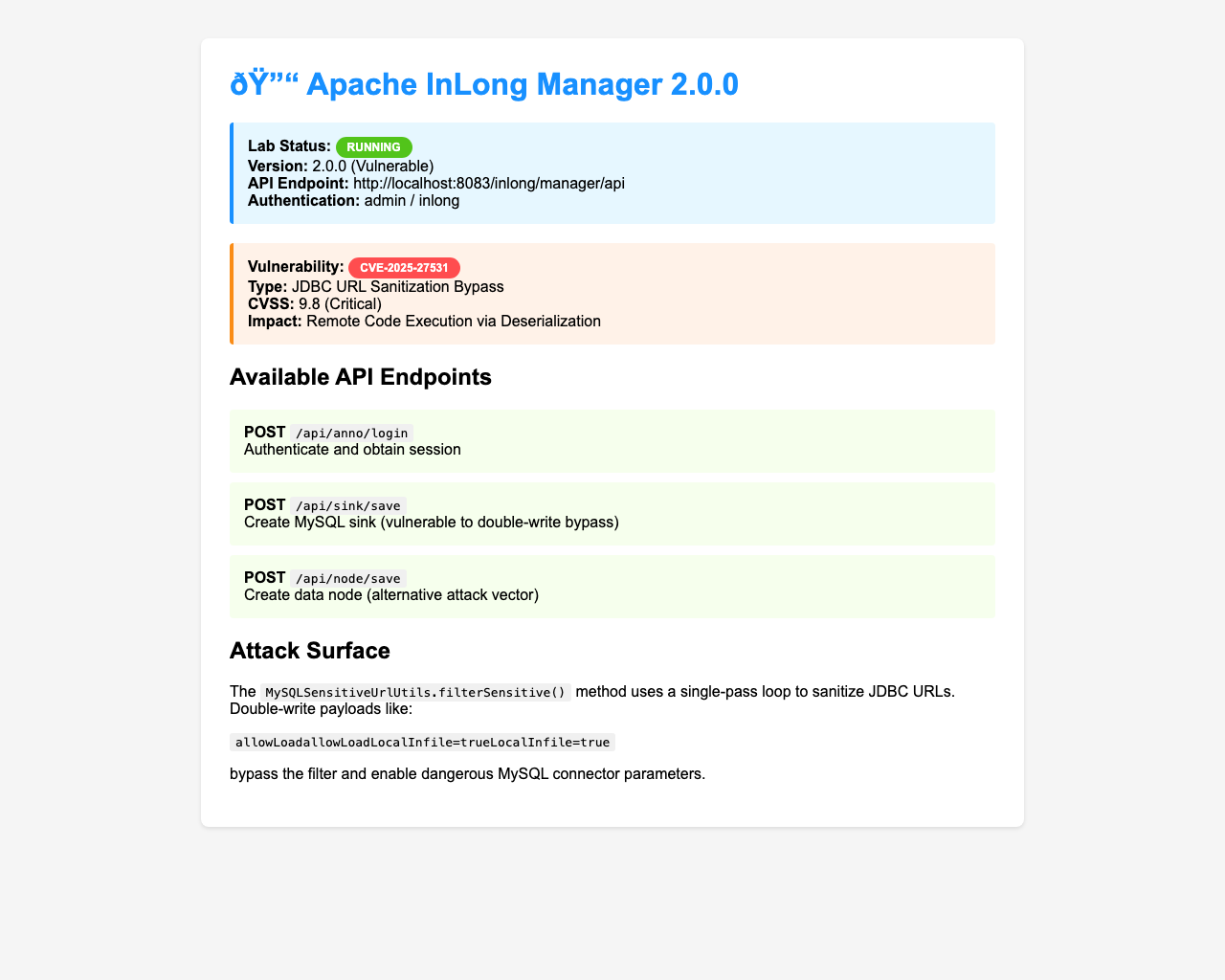
Deserialization of Untrusted Data vulnerability in Apache InLong.  This issue affects Apache InLong: from 1.13.0 before 2.1.0, this issue would allow an authenticated attacker to read arbitrary files by double writing the param. Users are recommended to upgrade to version 2.1.0, which fixes the issue.
mysql localhost:8083 12 layers 128 MB
git clone https://github.com/exploitintel/eip-pocs-and-cves cd eip-pocs-and-cves/CVE-2025-27531 docker compose up mysql
vulnerable localhost:8083 20 layers 828 MB
git clone https://github.com/exploitintel/eip-pocs-and-cves cd eip-pocs-and-cves/CVE-2025-27531 docker compose up vulnerable
amd64 / arm64 2025-06-06
CRITICAL CVE-2025-27528 Apache InLong <2.2.0 - Deserialization
DESERIALIZATION MODERATE
9.10.1%2025-05-28
CVE-2025-27528 lab
DESERIALIZATION MODERATE RELIABLE Python WORKING POC
Deserialization of Untrusted Data vulnerability in Apache InLong. This issue affects Apache InLong: from 1.13.0 through 2.1.0. This vulnerability allows attackers to bypass the security mechanisms of InLong JDBC and leads to arbitrary file reading. Users are advised to upgrade to Apache InLong's 2.2.0 or cherry-pick [1] to solve it. [1] https://github.com/apache/inlong/pull/11747
test localhost:8083 10 layers 98 MB
git clone https://github.com/exploitintel/eip-pocs-and-cves cd eip-pocs-and-cves/CVE-2025-27528 docker compose up
amd64 / arm64 2025-05-28
CRITICAL CVE-2025-47916 Invisioncommunity < 5.0.7 - Remote Code Execution
RCE TRIVIAL
10.090.0%2025-05-16
CVE-2025-47916 lab
RCE TRIVIAL RELIABLE Python WORKING POC
Invision Community 5.0.0 before 5.0.7 allows remote code execution via crafted template strings to themeeditor.php. The issue lies within the themeeditor controller (file: /applications/core/modules/front/system/themeeditor.php), where a protected method named customCss can be invoked by unauthenticated users. This method passes the value of the content parameter to the Theme::makeProcessFunction() method; hence it is evaluated by the template engine. Accordingly, this can be exploited by unauthenticated attackers to inject and execute arbitrary PHP code by providing crafted template strings.
patched localhost:8080 19 layers 168 MB
git clone https://github.com/exploitintel/eip-pocs-and-cves cd eip-pocs-and-cves/CVE-2025-47916 docker compose up patched
vulnerable localhost:8080 19 layers 168 MB
git clone https://github.com/exploitintel/eip-pocs-and-cves cd eip-pocs-and-cves/CVE-2025-47916 docker compose up vulnerable
amd64 / arm64 2025-05-16
CRITICAL CVE-2025-29953 Apache ActiveMQ NMS OpenWire Client <2.1.1 - Deserialization
DESERIALIZATION MODERATE
9.80.5%2025-04-18
CVE-2025-29953 lab
DESERIALIZATION MODERATE RELIABLE Python WORKING POC
Deserialization of Untrusted Data vulnerability in Apache ActiveMQ NMS OpenWire Client. This issue affects Apache ActiveMQ NMS OpenWire Client before 2.1.1 when performing connections to untrusted servers. Such servers could abuse the unbounded deserialization in the client to provide malicious responses that may eventually cause arbitrary code execution on the client. Version 2.1.0 introduced a allow/denylist feature to restrict deserialization, but this feature could be bypassed. The .NET team has deprecated the built-in .NET binary serialization feature starting with .NET 9 and suggests migrating away from binary serialization. The project is considering to follow suit and drop this part of the NMS API altogether. Users are recommended to upgrade to version 2.1.1, which fixes the issue. We also recommend to migrate away from relying on .NET binary serialization as a hardening method for the future.
patched localhost:8161 11 layers 266 MB
git clone https://github.com/exploitintel/eip-pocs-and-cves cd eip-pocs-and-cves/CVE-2025-29953 docker compose up patched
vulnerable localhost:8161 11 layers 266 MB
git clone https://github.com/exploitintel/eip-pocs-and-cves cd eip-pocs-and-cves/CVE-2025-29953 docker compose up vulnerable
amd64 / arm64 2025-04-18
CRITICAL CVE-2025-29927 Next.js Middleware Bypass
AUTH BYPASS TRIVIAL
9.193.0%2025-03-21
CVE-2025-29927 lab
AUTH BYPASS TRIVIAL RELIABLE Python WORKING POC
Next.js is a React framework for building full-stack web applications. Starting in version 1.11.4 and prior to versions 12.3.5, 13.5.9, 14.2.25, and 15.2.3, it is possible to bypass authorization checks within a Next.js application, if the authorization check occurs in middleware. If patching to a safe version is infeasible, it is recommend that you prevent external user requests which contain the x-middleware-subrequest header from reaching your Next.js application. This vulnerability is fixed in 12.3.5, 13.5.9, 14.2.25, and 15.2.3.
vulnerable localhost:3100 10 layers 213 MB
git clone https://github.com/exploitintel/eip-pocs-and-cves cd eip-pocs-and-cves/CVE-2025-29927 docker compose up
amd64 / arm64 2025-03-21
CRITICAL CVE-2024-45409 Ruby-SAML <=1.16.0 - Auth Bypass
AUTH BYPASS MODERATE
10.040.7%2024-09-10
CVE-2024-45409 lab
AUTH BYPASS MODERATE RELIABLE Python WORKING POC
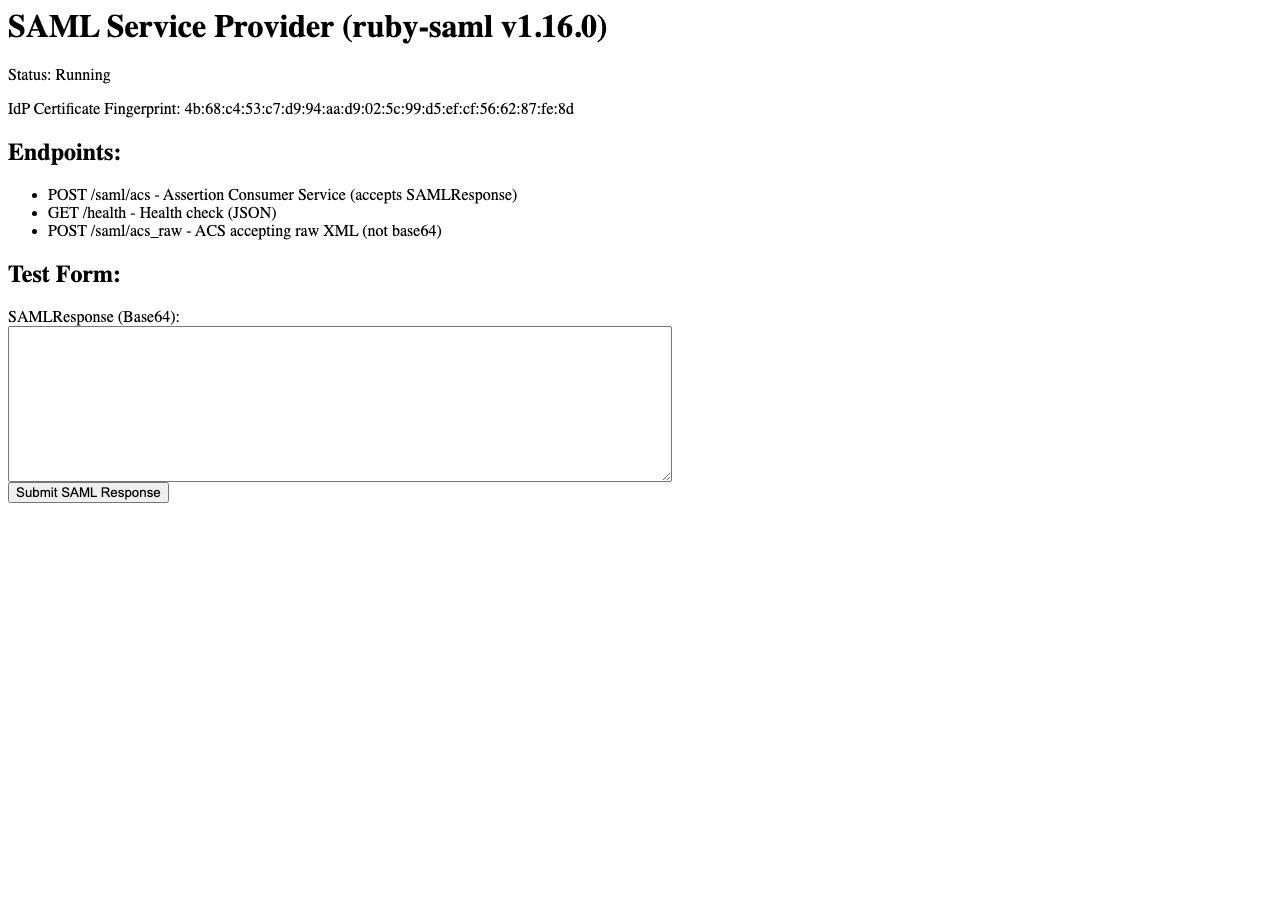
The Ruby SAML library is for implementing the client side of a SAML authorization. Ruby-SAML in <= 12.2 and 1.13.0 <= 1.16.0 does not properly verify the signature of the SAML Response. An unauthenticated attacker with access to any signed saml document (by the IdP) can thus forge a SAML Response/Assertion with arbitrary contents. This would allow the attacker to log in as arbitrary user within the vulnerable system. This vulnerability is fixed in 1.17.0 and 1.12.3.
vulnerable localhost:4567 14 layers 240 MB
git clone https://github.com/exploitintel/eip-pocs-and-cves cd eip-pocs-and-cves/CVE-2024-45409 docker compose up
amd64 / arm64 2024-09-10
CRITICAL CVE-2024-37288 Elastic Kibana - Insecure Deserialization
RCE MODERATE
9.91.6%2024-09-09
CVE-2024-37288 lab
RCE MODERATE RELIABLE Python WORKING POC
A deserialization issue in Kibana can lead to arbitrary code execution when Kibana attempts to parse a YAML document containing a crafted payload. This issue only affects users that use Elastic Security’s built-in AI tools https://www.elastic.co/guide/en/security/current/ai-for-security.html  and have configured an Amazon Bedrock connector https://www.elastic.co/guide/en/security/current/assistant-connect-to-bedrock.html .
kibana localhost:5601 15 layers 401 MB
git clone https://github.com/exploitintel/eip-pocs-and-cves cd eip-pocs-and-cves/CVE-2024-37288 docker compose up kibana
kibana-patched localhost:5601 14 layers 393 MB
git clone https://github.com/exploitintel/eip-pocs-and-cves cd eip-pocs-and-cves/CVE-2024-37288 docker compose up kibana-patched
setup localhost:5601 4 layers 9 MB
git clone https://github.com/exploitintel/eip-pocs-and-cves cd eip-pocs-and-cves/CVE-2024-37288 docker compose up setup
amd64 / arm64 2024-09-09
CRITICAL CVE-2023-42117 Exim < 4.96.2 - Remote Code Execution
DOS TRIVIAL
9.87.3%2024-05-03
DOS TRIVIAL RELIABLE Python WORKING POC
Exim Improper Neutralization of Special Elements Remote Code Execution Vulnerability. This vulnerability allows remote attackers to execute arbitrary code on affected installations of Exim. Authentication is not required to exploit this vulnerability. The specific flaw exists within the smtp service, which listens on TCP port 25 by default. The issue results from the lack of proper validation of user-supplied data, which can result in a memory corruption condition. An attacker can leverage this vulnerability to execute code in the context of the current process. Was ZDI-CAN-17554.
vulnerable localhost:2525 6 layers 28 MB
git clone https://github.com/exploitintel/eip-pocs-and-cves cd eip-pocs-and-cves/CVE-2023-42117 docker compose up
amd64 / arm64 2024-05-03
CRITICAL CVE-2024-31866 Apache Zeppelin <0.11.1 - RCE
RCE MODERATE
9.81.5%2024-04-09
CVE-2024-31866 lab
RCE MODERATE RELIABLE Python WORKING POC
Improper Encoding or Escaping of Output vulnerability in Apache Zeppelin. The attackers can execute shell scripts or malicious code by overriding configuration like ZEPPELIN_INTP_CLASSPATH_OVERRIDES. This issue affects Apache Zeppelin: from 0.8.2 before 0.11.1. Users are recommended to upgrade to version 0.11.1, which fixes the issue.
vulnerable localhost:18080 10 layers 3.7 GB
git clone https://github.com/exploitintel/eip-pocs-and-cves cd eip-pocs-and-cves/CVE-2024-31866 docker compose up
amd64 / arm64 2024-04-09
CRITICAL CVE-2021-32824 Apache Dubbo <2.6.10-2.7.10 - RCE
RCE MODERATE
9.85.9%2023-01-03
RCE MODERATE RELIABLE Python WORKING POC
Apache Dubbo is a java based, open source RPC framework. Versions prior to 2.6.10 and 2.7.10 are vulnerable to pre-auth remote code execution via arbitrary bean manipulation in the Telnet handler. The Dubbo main service port can be used to access a Telnet Handler which offers some basic methods to collect information about the providers and methods exposed by the service and it can even allow to shutdown the service. This endpoint is unprotected. Additionally, a provider method can be invoked using the `invoke` handler. This handler uses a safe version of FastJson to process the call arguments. However, the resulting list is later processed with `PojoUtils.realize` which can be used to instantiate arbitrary classes and invoke its setters. Even though FastJson is properly protected with a default blocklist, `PojoUtils.realize` is not, and an attacker can leverage that to achieve remote code execution. Versions 2.6.10 and 2.7.10 contain fixes for this issue.
vulnerable localhost:20880 8 layers 108 MB
git clone https://github.com/exploitintel/eip-pocs-and-cves cd eip-pocs-and-cves/CVE-2021-32824 docker compose up
amd64 / arm64 2023-01-03